
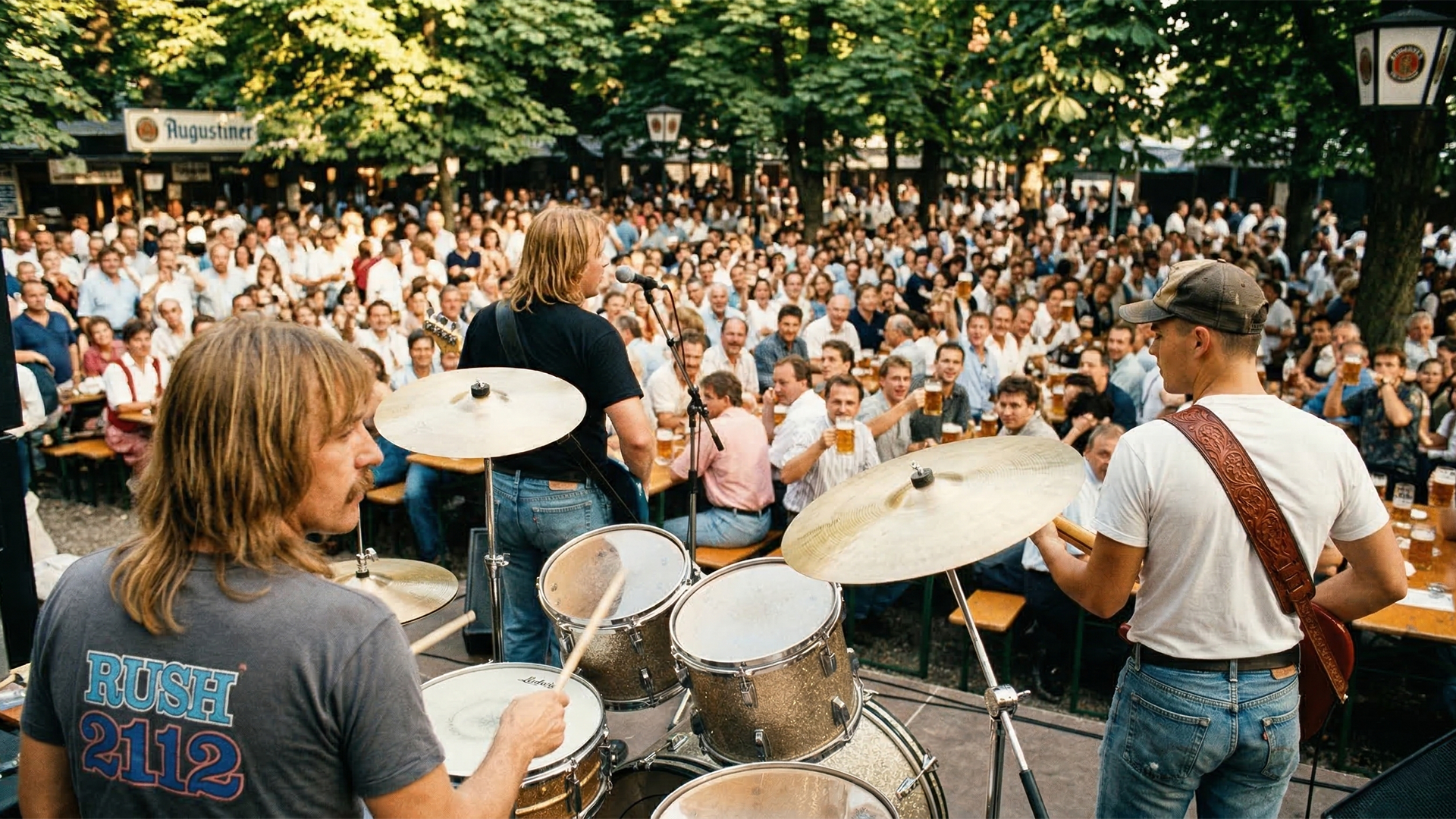
Let’s time warp back to when Brian was still in the army. The rec center at Kelly Barracks was the ultimate hangout where soldiers could unwind and make some music. Brian had his heart set on playing guitar, and although the one on loan at the rec center was a bit battered and cheap, it got the job done. It was there that he first crossed paths with bassist Mike Lieberberg and drummer Ernst Theobald.
Mike, also a veteran, was busy building his 5-Star talent agency, which primarily catered to the military club scene in Germany. Ernst, a local national with a Ph.D. in theoretical mathematics, was juggling his part-time gig at the base exchange (PX) while nurturing his robotics startup on the side.
During the stretches between Brian’s deployments, the three of them would come together to jam, primarily focusing on Rush songs that they all loved. As they practiced, they gradually sharpened their skills, landing paid gigs at local rock clubs in Sachsenhausen, near Frankfurt, and at the Rainbow NCO Club in Darmstadt. They decided on the band name 2112 as a playful nod to the progressive rock band they idolized.
Let’s jump ahead, Brian has wrapped up his military service and is sucking suds in Germany. The band 2112 never dissolved or faded; it merely lingered in the space where the power trio had some free time. Mike had shifted his focus entirely to his agency, while Ernst was deep into launching his robotics company. He even brought Brian on board to head up the lab once he transitioned to civilian life. Meanwhile, Mike had built a solid lineup of telephone bands he could book for military gigs and began sending plenty of hired gun work Brian’s way.
“It’s the Cold War era, and back then, the internet was still a pipe dream, the closest thing to a smartphone was a hefty 15-pound brick, and GPS? Learn to read a frigging map! One communicated through the fidget spinner of the time: the trusty rotary phone. A telephone band was an impromptu group of musicians who would get called together on short notice to play a gig, mostly just hours before the show. Those brave enough to say yes were known as hired guns. If you were lucky, you’d get a setlist dictated over the phone, which meant you could whip up a mixtape to jam to on your way to the venue. But rehearsals? Forget about it! When it was showtime, someone would take on the role of bandleader, most often the person belting out the lead vocals, and that person would have the job of announcing the next song, and off you’d go.” – BGW
Fun Fact: After joining Ernst at his company as a Robotics Technician, Brian took the opportunity to further his education at the University of Heidelberg, where he earned his bachelor’s degree in Computer Science and Electrical Engineering. Then, for his work on JPL’s Discovery project in the 2000s, he was awarded an honorary master’s in Computer Science. All that knowledge really paid off when he developed and patented a cutting-edge streaming technology that he licensed to Apple, which has since become a standard feature in mobile devices around the globe.
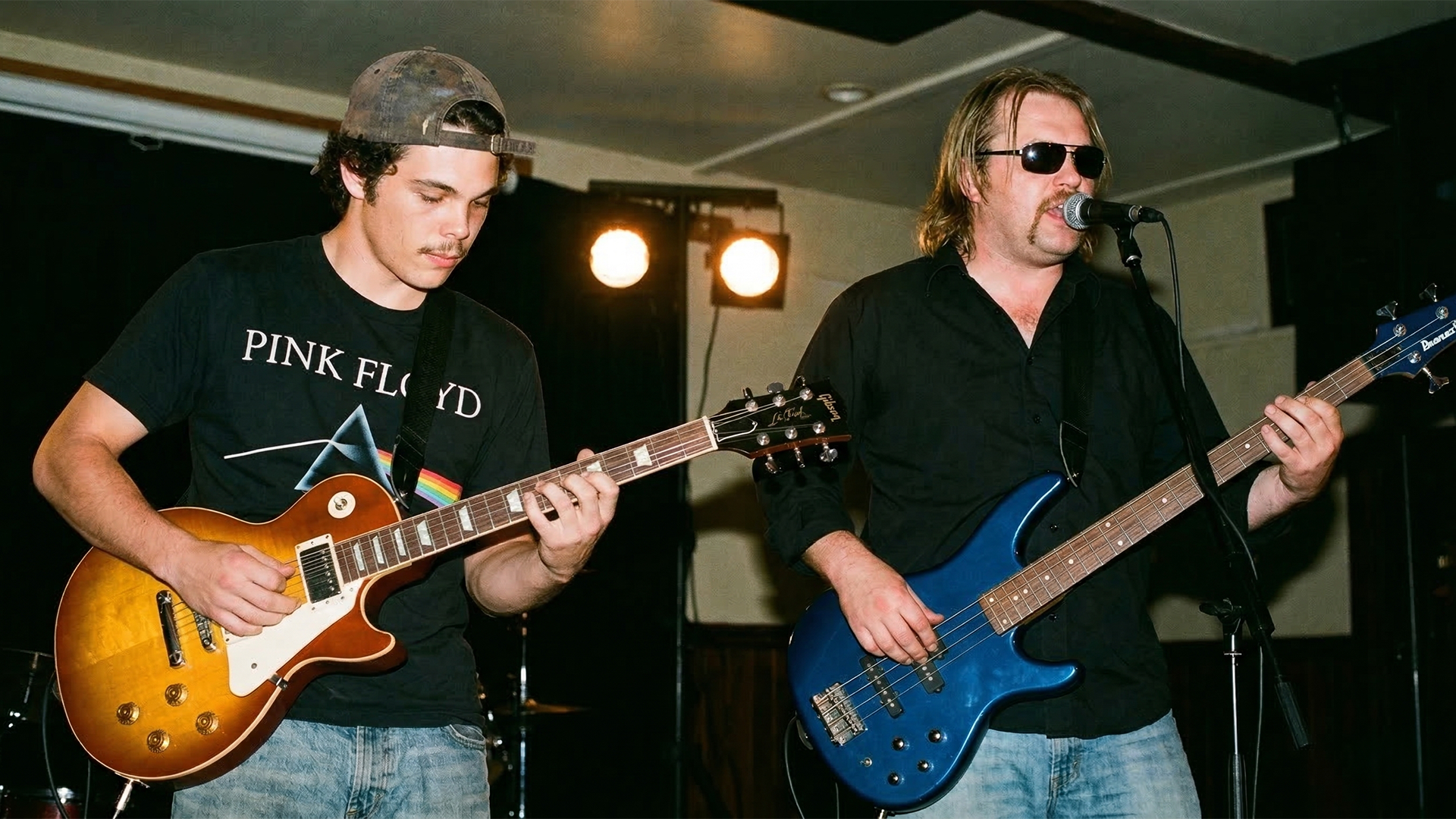
By now, Mike had Brian playing every weekend in every type of band you can think of. Blues, country, or jazz, Brian was quickly becoming the go-to guy for every occasion. His Home Port, The Rainbow NCO Club in Darmstadt, Germany, where he ran into fellow hired-gun and bassist Bruce Borowski. Like Brian, Bruce was also ex-military and lived nearby, which made it easy for them to get together and jam.
At the time, Bruce had a somewhat steady gig with the band Overland Stage, the house band at the Rainbow Club. Brian had played for them before, but felt they were a little too old-school for him. Undaunted, Bruce persisted, and Brian eventually gave in. Overland Stage was Claudia Hüber on lead vocals, Bruce on bass & vocals, Brian on guitar & vocals, Udo Guckelsberger on drums, and Tim Stintsman on pedal steel. Eventually, the band got good enough that 5-Star trusted them to open for their stateside acts, which they did when Tom Wopat, John Schneider (both from the television series ‘The Dukes of Hazzard’) came to the Rainbow Club in 1990.
On occasion, Bruce, Brian, and Udo would step out as the Nighstalkers to get their fix of southern rock and blues. But Bruce struggled with a serious drinking problem that made it really hard for him to hold down a job. So he began couch surfing, frequently showing up to performances drunk, leading to numerous altercations. His reckless behavior escalated to the point that he was banned from the military club circuit, which ultimately forced the 5-Star agency to cut ties with him. Brian tried his best to include Bruce in various projects, but over time, Bruce’s behavior became too much for him to manage, and they eventually decided to go their separate ways.
“Bruce had been pestering me for work for ages, so when I snagged a civilian gig, I gave him a chance if he promised to stay sober. On the day of the gig, he showed up at my place sober, which was a good sign, but he insisted on driving his own car, saying he didn’t want to pack his stuff around twice by getting in the bus with the rest of us. The venue was only roughly an hour away, so I didn’t think anything of it until we pulled up, and he literally flopped out of the car with vodka bottles spilling out all over the place.”
“We dumped coffee down his throat to sober him up enough to slog through the night. I had a feeling he must’ve had a hidden flask somewhere because about halfway through, he started getting really stupid. I went over to ask him to tone it down, and just as I was about to start the next song, he walked over and sucker-punched my face in front of God and the world. He then grabbed his gear, jumped in his car, and took off. Never to be seen again. Lucky for us, a good friend of mine was in the crowd and immediately offered her son’s bass rig for me to use. So, I wrapped up the night with a swollen lip, juggling a guitar and the borrowed bass, switching between them as needed.” – BGW.
This incident was memorialized in the local newspaper (Gießener Allgemeine Zeitung), and the reporter was really impressed with how Brian managed everything. He highlighted that Brian not only handled the situation well but also continued to perform professionally and excellently for the rest of the performance. Shortly after the incident, Bruce Borowski returned to his hometown of Detroit, Michigan, where he resides to this day.
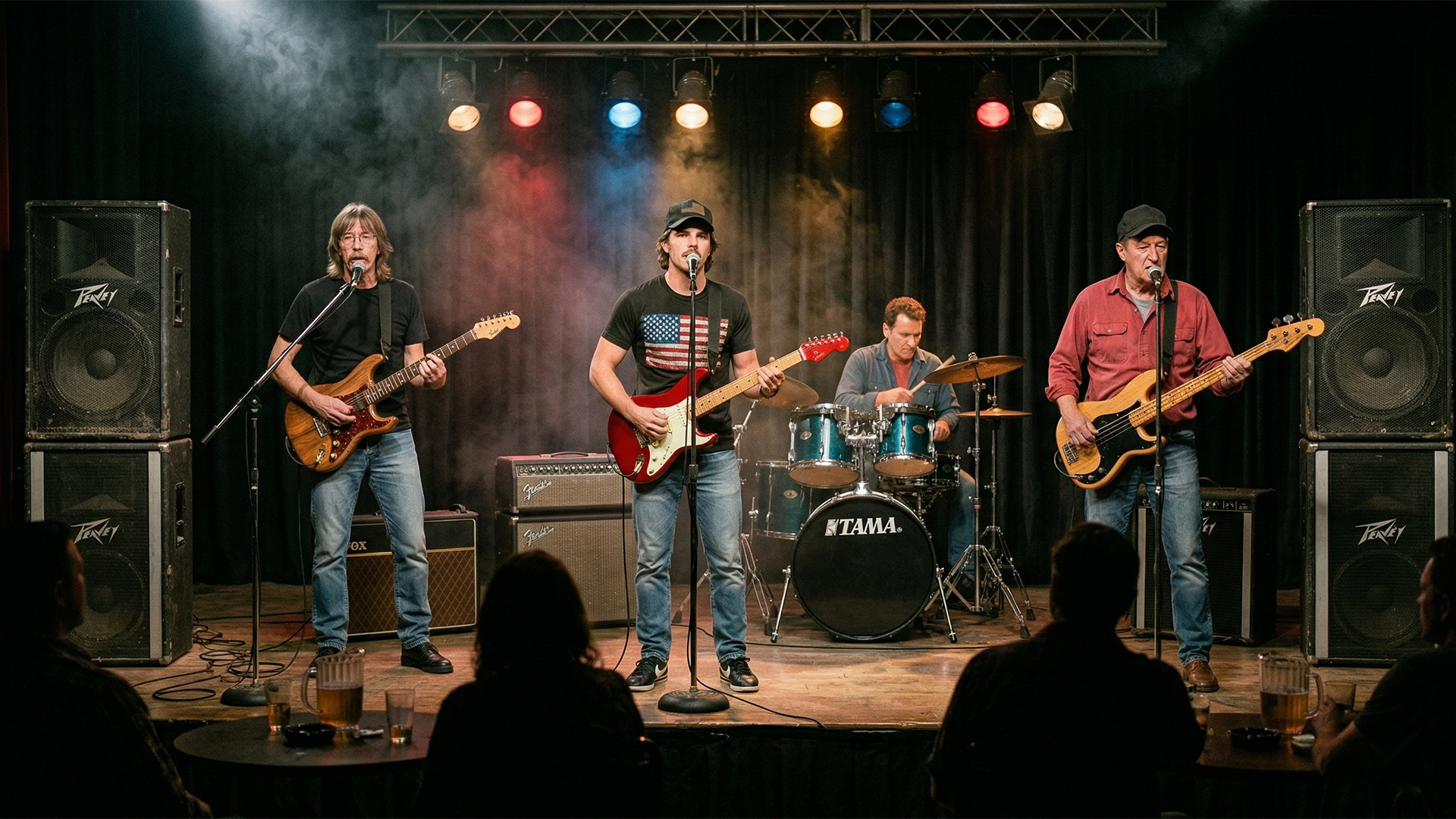
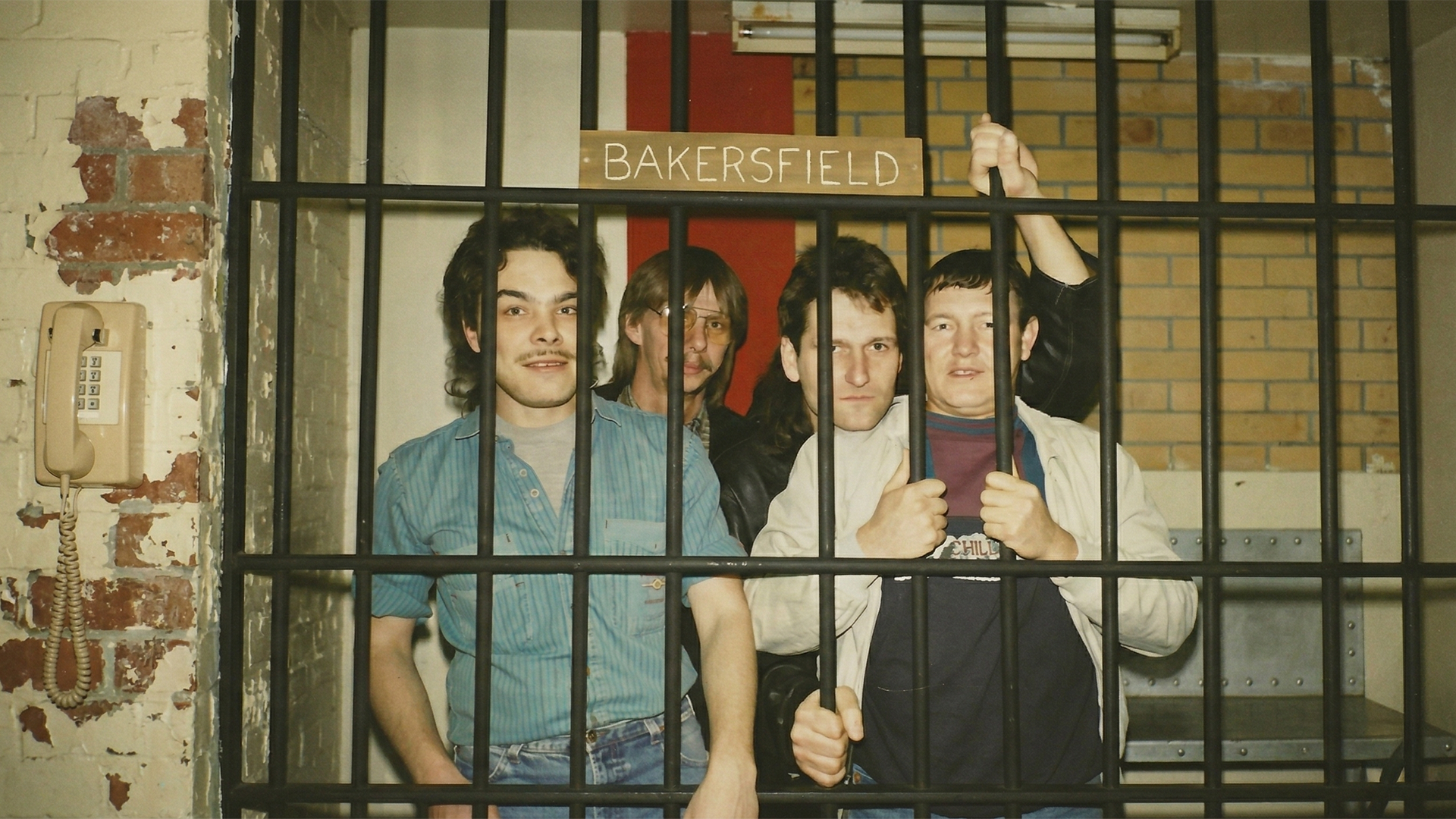
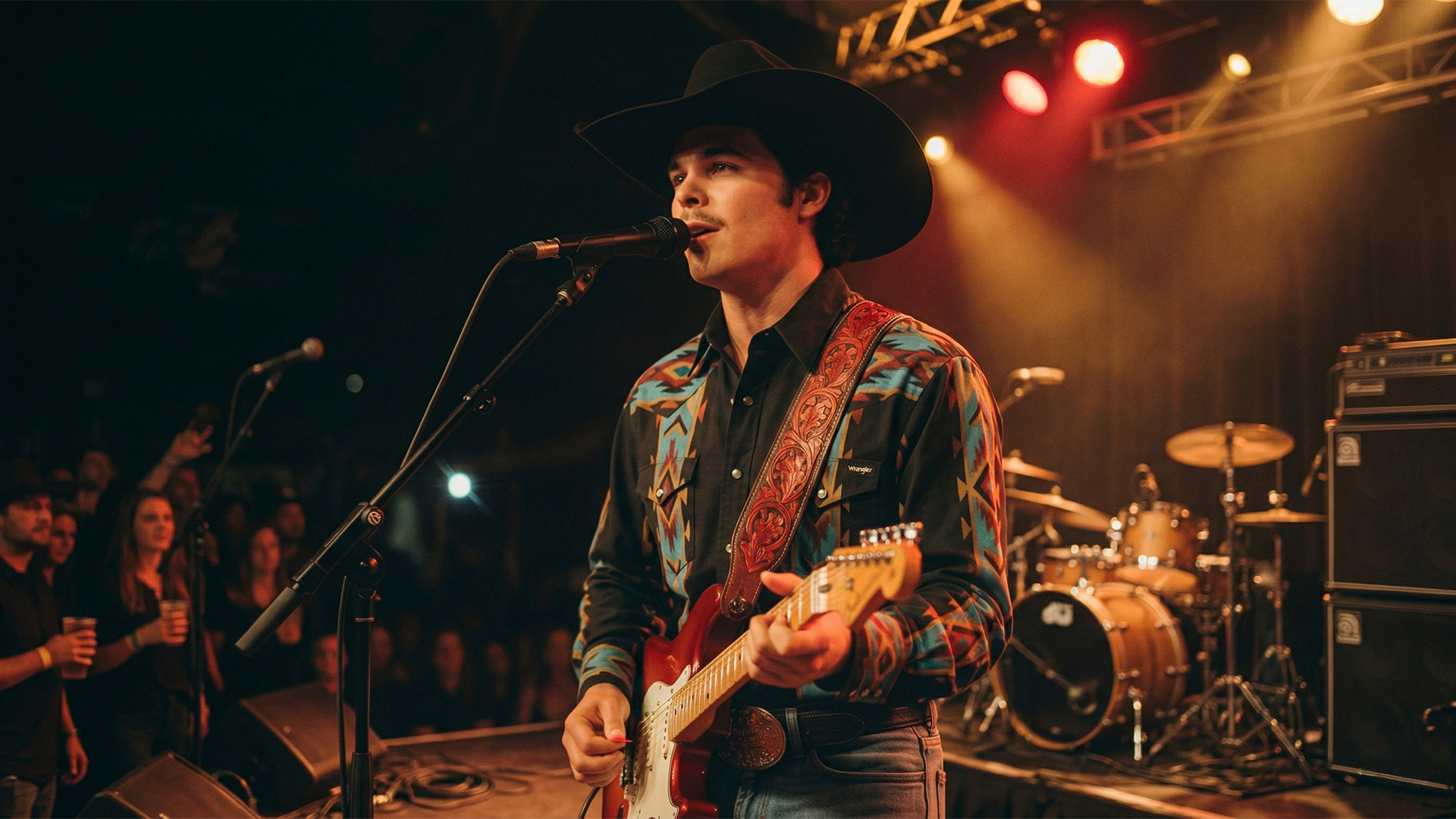
It’s the 1990s, and country music is all the rage in Europe. Mike Lieberberg’s 5-Star agency has been busy forging connections in the military circuit, particularly with the United Service Organizations (USO). After successfully bringing over a slew of big American acts, he decided it was time to expand his roster to include local talent that wouldn’t break the bank. He asked Brian to put together a list of qualified bands he could pitch for gigs, and on top of that, he encouraged Brian to start his own band so he could join in on the fun.
That’s when Brian reached out to his fellow hired guns: guitarist Mickey ‘Lee’ Henke, bassist Tony Hardin, and drummer Udo Guckelsberger. Together, they formed the first version of the band, Bakersfield. At first, they mainly played country covers, with Brian and Tony sharing lead vocal responsibilities—Tony often taking the lead on the classic tracks. But Brian was still a songwriting fool and had a bunch of original songs he wanted to try out. During their rehearsals, he would surprise the guys with one of them, and they’d work together to bring those tunes to life on stage.
Bakersfield quickly made a name for itself on the military circuit. Mickey’s skilled country pickin’, Brian’s southern-rock-inspired solos, and Tony’s distinctive, raspy vocals gave them a unique sound that resonated with audiences. However, it was Brian’s original songs—like “Made in the Shade,” “Practical Man,” and “Life on the Farm”—that had fans eagerly wanting more. These tracks were battle-tested in front of live crowds long before Brian even thought about putting them on a record, becoming true fan favorites in the process.
By the time 1993 rolled around, Bakersfield was the number one country cover band on the USO circuit, receiving multiple merit awards for appearances in conflict zones and dedication to the mission, opening for stateside acts such as Johnny Paycheck, Willie Nelson, Joe Diffie, The Bellamy Brothers, The Mavericks, Alison Krauss, and Vince Gill. Bakersfield was on fire, so it was only natural for them to release an album. Right?
“At times, Mike would ask me to chaperone visiting artists because I could speak German. This one time, this famous country singer who just happened to be someone I had worked with before was booked for a gig in this little town just outside Frankfurt. I had a gig in Giessen that night, but didn’t need my P.A., so I set him up and headed off to my own gig.
The pub that the famous country singer was performing at was on my way home from my gig, so I stopped off to pick up my gear at around 3 AM. And there he was, sloshed out of his mind, packed between two huge German girls, hootin’ it up like a banshee. The manager begged me to help get him out, so we squeezed him into my bus and packed the girls in the back with the gear because he insisted they come along.
When I got them inside his hotel suite, only a few minutes away, thankfully, all three of them immediately dropped their clothes and headed, stark raving naked, to the jacuzzi out on the balcony. Thinking the world would kill me if I let this fucker drown, I dragged him out and manhandled him to his bed, where he immediately passed out snoring. Then, I gave the girls taxi fare and made my way home to the doghouse. We’re still buds, but I made it clear what would happen if his junk ever crossed my path again.” – BGW
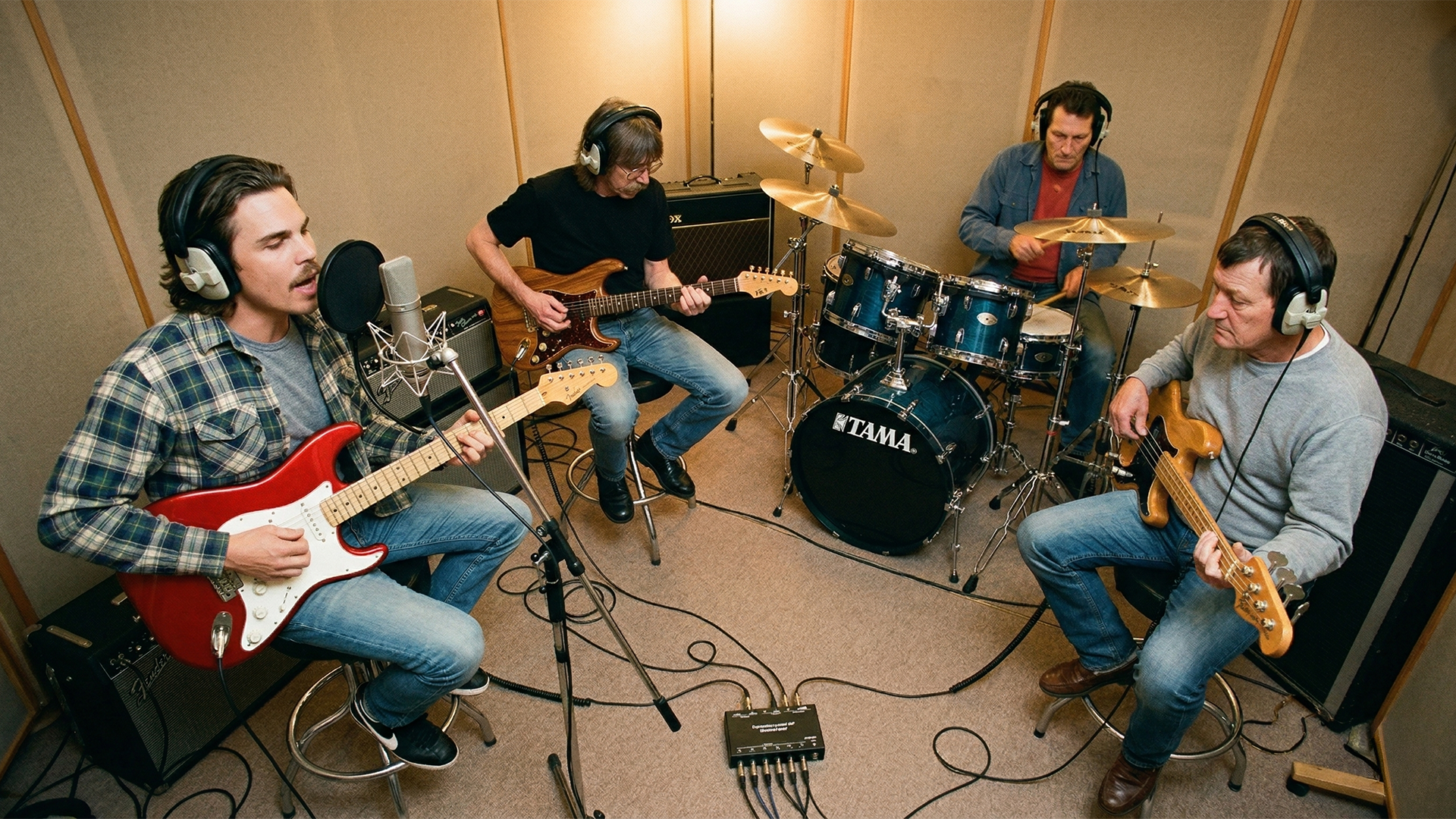
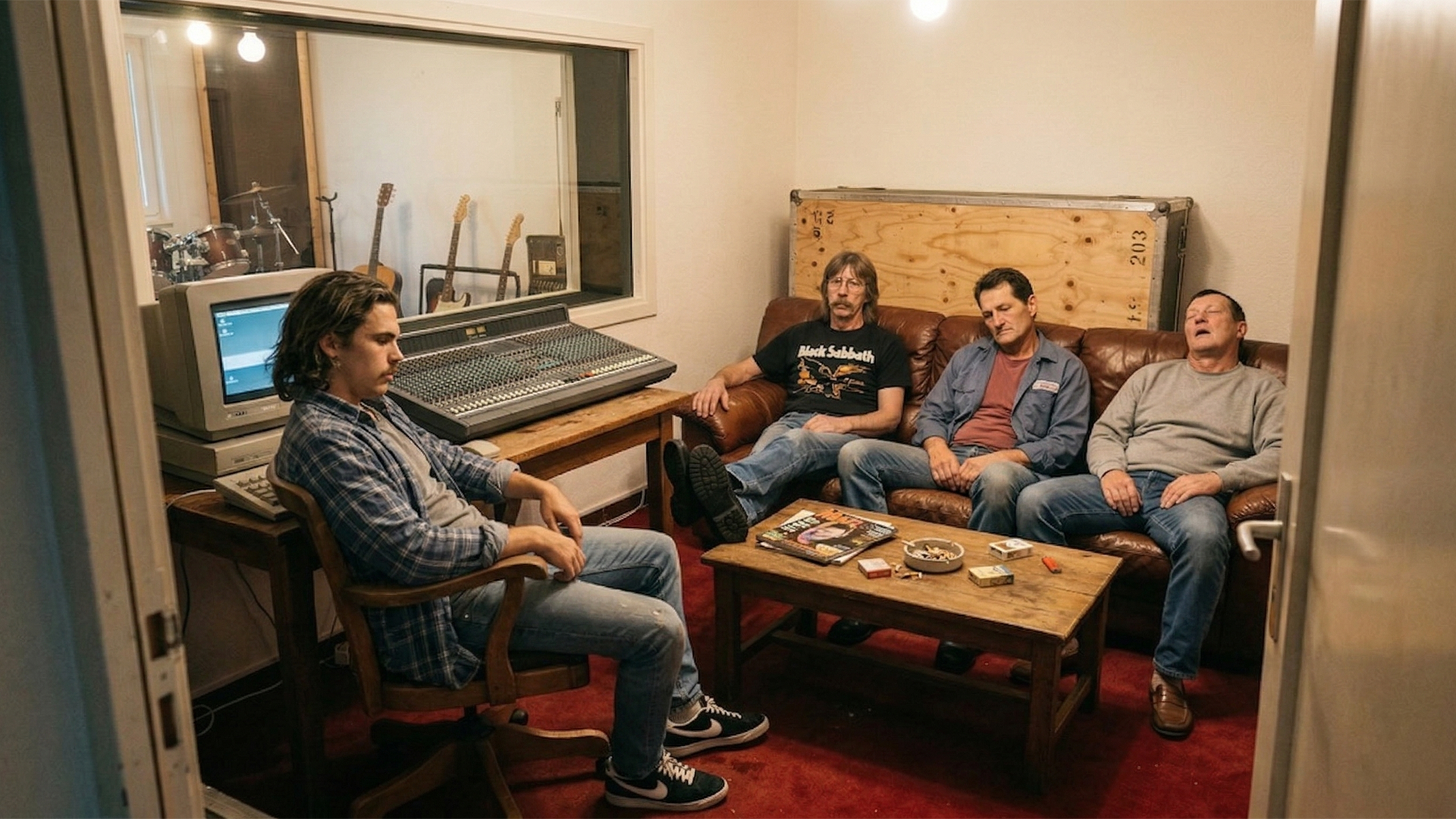
Brian’s iconic album Made in the Shade, released in 1993, hit Gold status in 2002, a testament to its lasting impact. By 2013, three of its standout tracks had each topped the one-million streams mark, according to MRC Data. This just goes to show how Brian’s music still resonates with fans and how the album continues to connect with listeners over the years.
In 1984, Brian’s boss at Capitol Records was Rob Stringer, who by 1992 had risen to become the managing director at Sony’s Epic Records UK. When Brian decided to seek help in securing a recording deal with Sony, Rob was more than happy to assist.
Putting together the album was a true game-changer in many ways, from songwriting to the recording process. At that time, Brian was still finding his footing in country music, so he relied on his southern-rock background for ideas. What truly made a difference, though, was teaming up with longtime friends Christine Leon, Keith Headley, and Tony Hardin. Their collaboration helped Brian make the connection to country music.
Unlike the slick Nashville recordings that were popular back then, this album was recorded at the cozy Pauley Tonstudio in Giessen, Germany, a place more known for producing television series. The studio’s owner, Hilmar Pauley, was a true recording legend—he’d even snagged several patents for his innovative recording techniques and unique hardware. It was in this unassuming little studio that the album found its distinctive sound.
Sony’s role in the album’s production was as unique as everything else. Brian faced the challenge of creating 25 songs, but completed only 22. The label wanted a variety of options and kept asking for regular updates on his progress. Feeling overwhelmed by the pressure, Brian decided to bring in his friend and fellow Bakersfield bandmate, guitarist Mickey Henke, to take over production so he could focus more on the music itself. In hindsight, he later regretted this decision.
While production was underway, Mickey struggled to keep up with the progress reports. This mistake prompted Sony to send representatives to the studio to monitor their investment. Understandably, this angered Mickey, leading to intense shouting matches that continued into the early hours. At one point, Sony even threatened to halt production entirely. In a panic, Brian contacted the studio owner, Hilmar Pauley, to intervene. Sony reached an agreement where Pauley would take over production, allowing the project to proceed. Unsurprisingly, this decision pushed Mickey over the edge, and he ultimately walked away from the project entirely.
Now that production was going smoothly, the team faced a new challenge when bassist Tony Hardin, who had been struggling with health issues, decided to retire from the project. This was a big setback for Brian, as Tony’s country music background had been vital in shaping their distinctive sound. With Tony stepping down, Brian now had to figure out how to preserve that unique essence for the rest of the production.
As the project moved into post-production, Hilmar kept uncovering issues with Mickey’s recordings. This meant Brian often had to step back into the studio to re-record not just a few parts but sometimes entire sections of the guitar and vocal tracks. With the budget tightening and a mountain of work still ahead, Brian decided to bring in his longtime friend, Thomas Schmitt-Zijnen, to help co-produce the album. Even though they were already over budget and weeks behind schedule, the three of them finally delivered the finished product to Sony by late September 1993.
The initial 1993 release contained only 9 tracks, departing from the traditional 11-track album template. Sony didn’t explain why so many of the recordings were not selected or offer much insight into the selection process, but in subsequent releases, Sony included many of the previously unselected tracks.
“Producing an album wasn’t new for me, but producing my debut album was a new level of hell I never experienced. The crap Mickey pulled had everyone turning on him. At first, I felt sorry for him until Hilmar played me his raw recordings. They were so full of hum and distortion that I finally understood why Mickey ate up half the budget, secretly filtering them. We had to start over on a lot of the tracks, but I didn’t have the budget to bring back the musicians, so I had to try to replicate everything myself, except the drums. Thankfully, drummer Udo Guckelsberger was a good sport and re-recorded his parts for free.” – BGW.
“You’re the One” was inspired by a heartfelt poem that Brian wrote in 1986 for his then-fiancée, Inge. The song was composed and recorded live at the hr-Sendersaal in Frankfurt, Germany, by the Frankfurt Rock Orchestra, conducted by Thomas Schmitt-Zijnen. To this day, it remains one of Brian’s most beloved compositions in both Europe and the Americas.
As the production of the Made in the Shade album neared completion, producer Hilmar Pauly suggested finishing with a slow ballad. Brian and Thomas were concluding work on a different project with the Frankfurt Rock Orchestra when Brian asked Thomas if he could use part of the remaining budget to record his song. Excited by the idea, Thomas agreed, and they got to work.
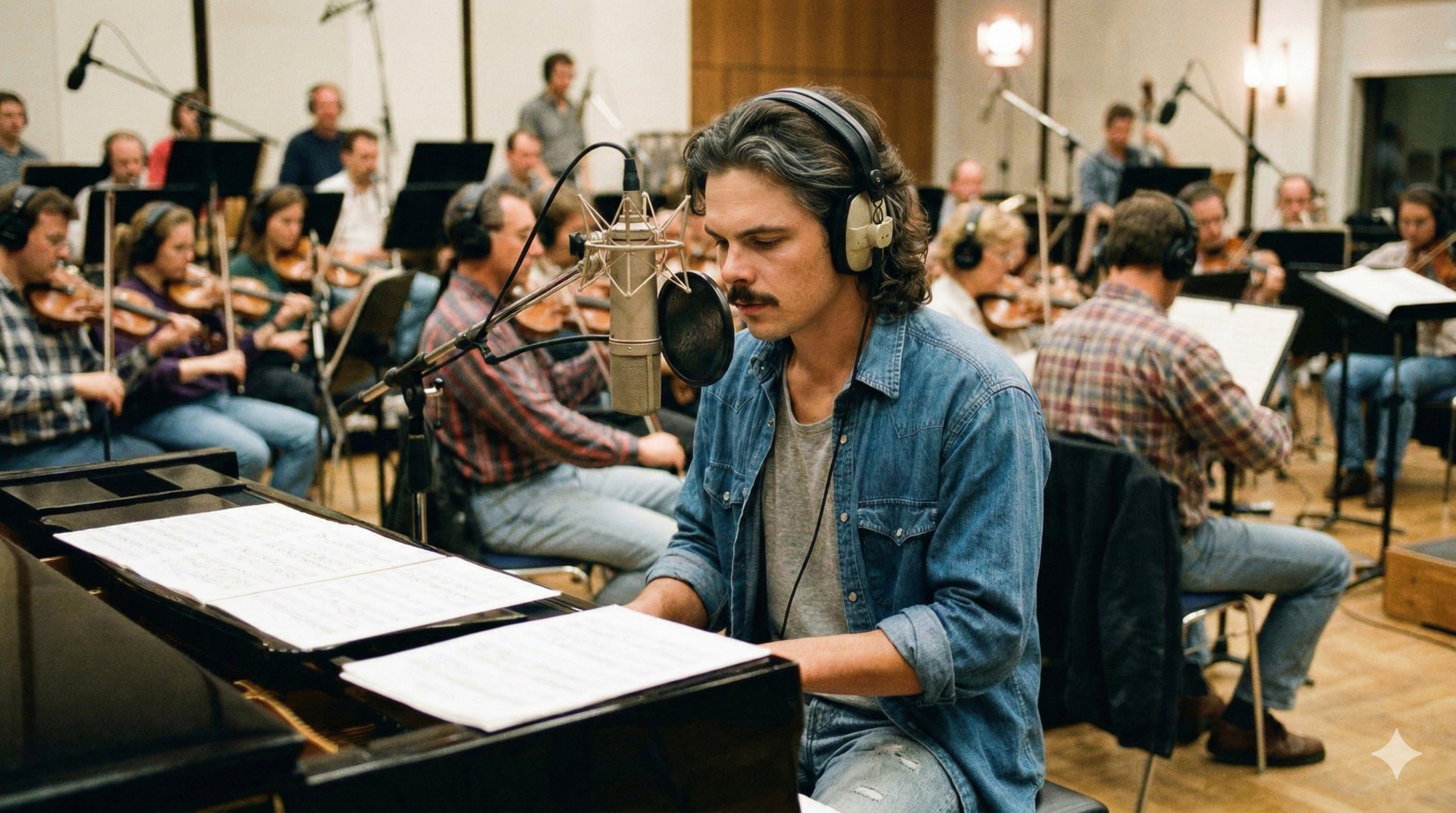
Brian and Thomas sat together at the piano, composing the arrangement and creating score sheets between takes with the orchestra. They often worked from the same sheet of paper and sometimes finished each other’s work in what Brian would call “one of the most efficient collaborative sessions” he ever experienced. With only one day left before the orchestra had to depart for other engagements, Brian took his place at the piano, and Thomas cued the orchestra.
Due to limited time, the song’s full orchestral and choral sections were recorded in a single continuous session, with Brian playing the piano. Although he hadn’t finalized the lyrics, Brian had memorized his poem and felt confident he could improvise the remaining lines and overdub them later in the studio.
During post-production, Brian evaluated the improvised lyrics and found them surprisingly good, a sentiment his wife shared. Only a few phrases, where he mumbled, swore, or had a cracked voice, required adjustment. Randy DeBeers, the new bassist for Brian’s band Bakerfield, made his debut on bass; Udo Guckelsberger recorded the drums; and Brian added his own guitar and solo violin work to finalize the project.
When Brian presented the final product to Sony executives, they were initially uncertain whether the song would fit the album’s ‘Country’ genre. After some persuasion, the song was released and unexpectedly resonated with audiences, gaining worldwide popularity and becoming an instant classic.
Fun Fact: Between performances and recording his debut album, Brian also spent time at Dolphin Studios in Mörfelden, Germany, producing or co-producing for other artists. There, he also had the opportunity to work with legendary producer Thomas Schmitt-Zijnen, known for his work with Deep Purple and The Moody Blues. Hanging around the studio also afforded Brian the opportunity to collaborate with artists outside his wheelhouse, such as Michael Sadler of the Canadian band Saga and Rodgau Monotone’s drummer and film director, Jürgen Böttcher. He also remained very active at Capitol Records, composing scores for Roman Polanski’s The Ninth Gate and Steven Spielberg’s Schindler’s List, and co-writing iconic jingles for Nike, Taco Bell, and Nestlé.
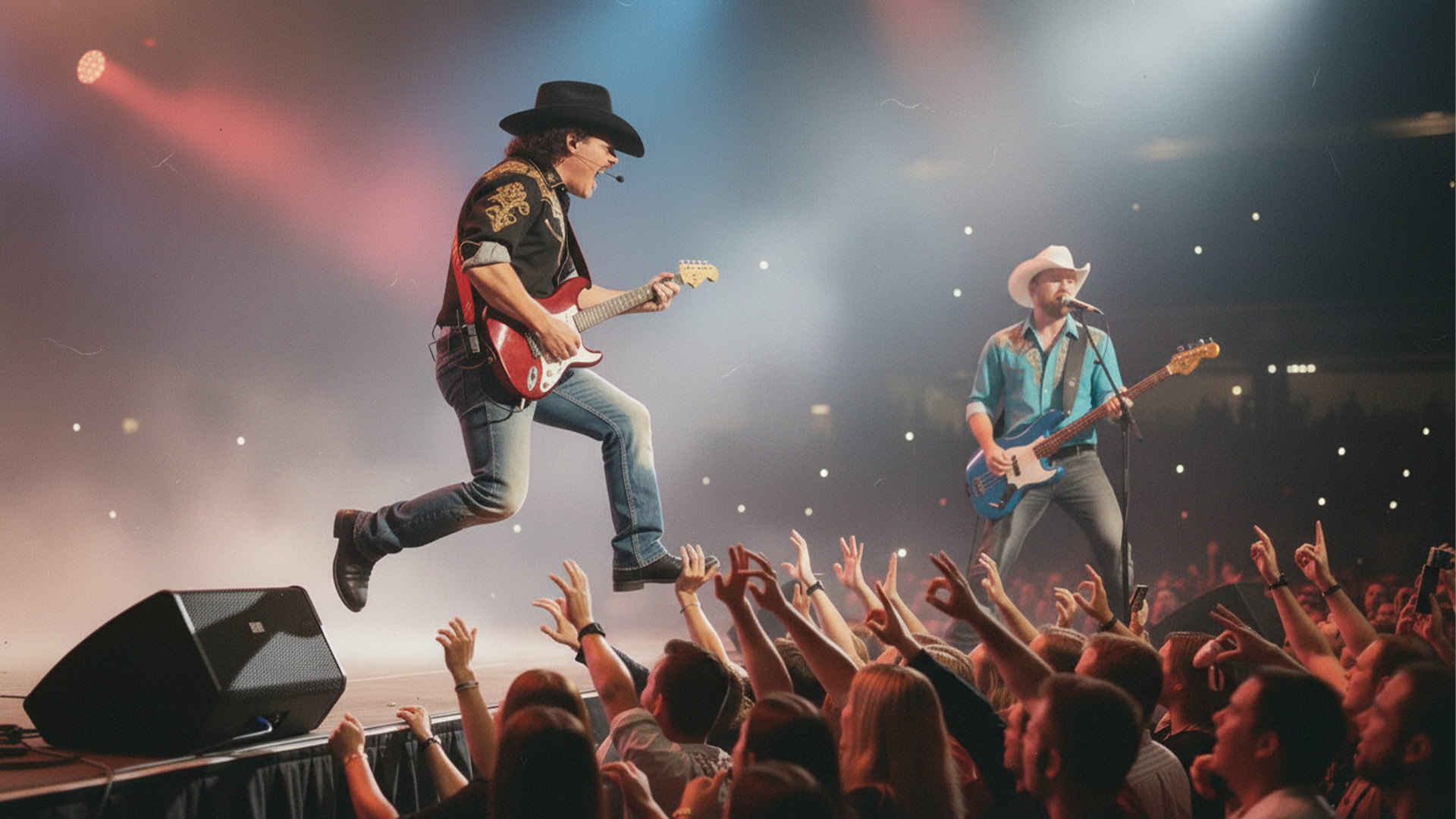
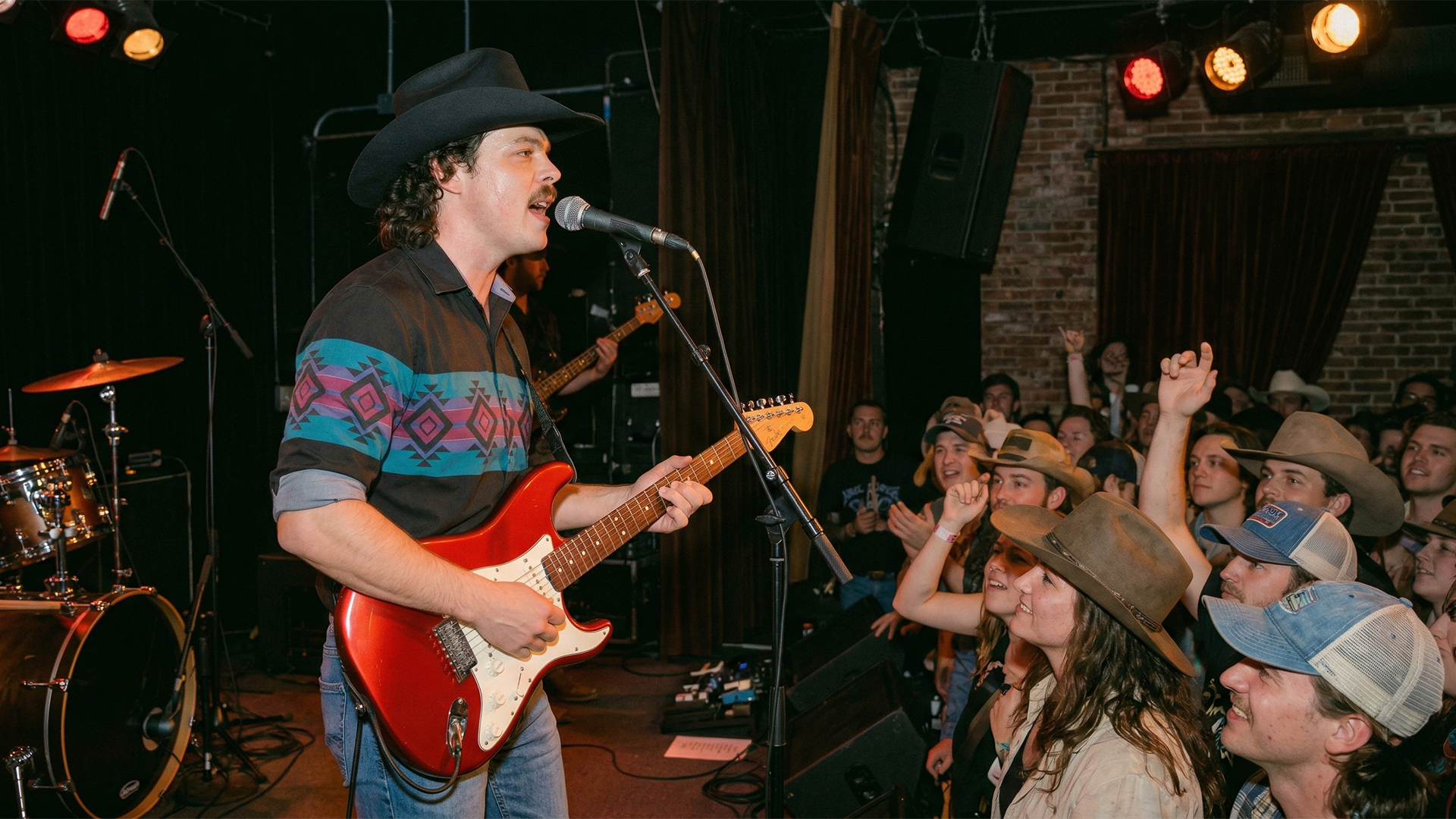
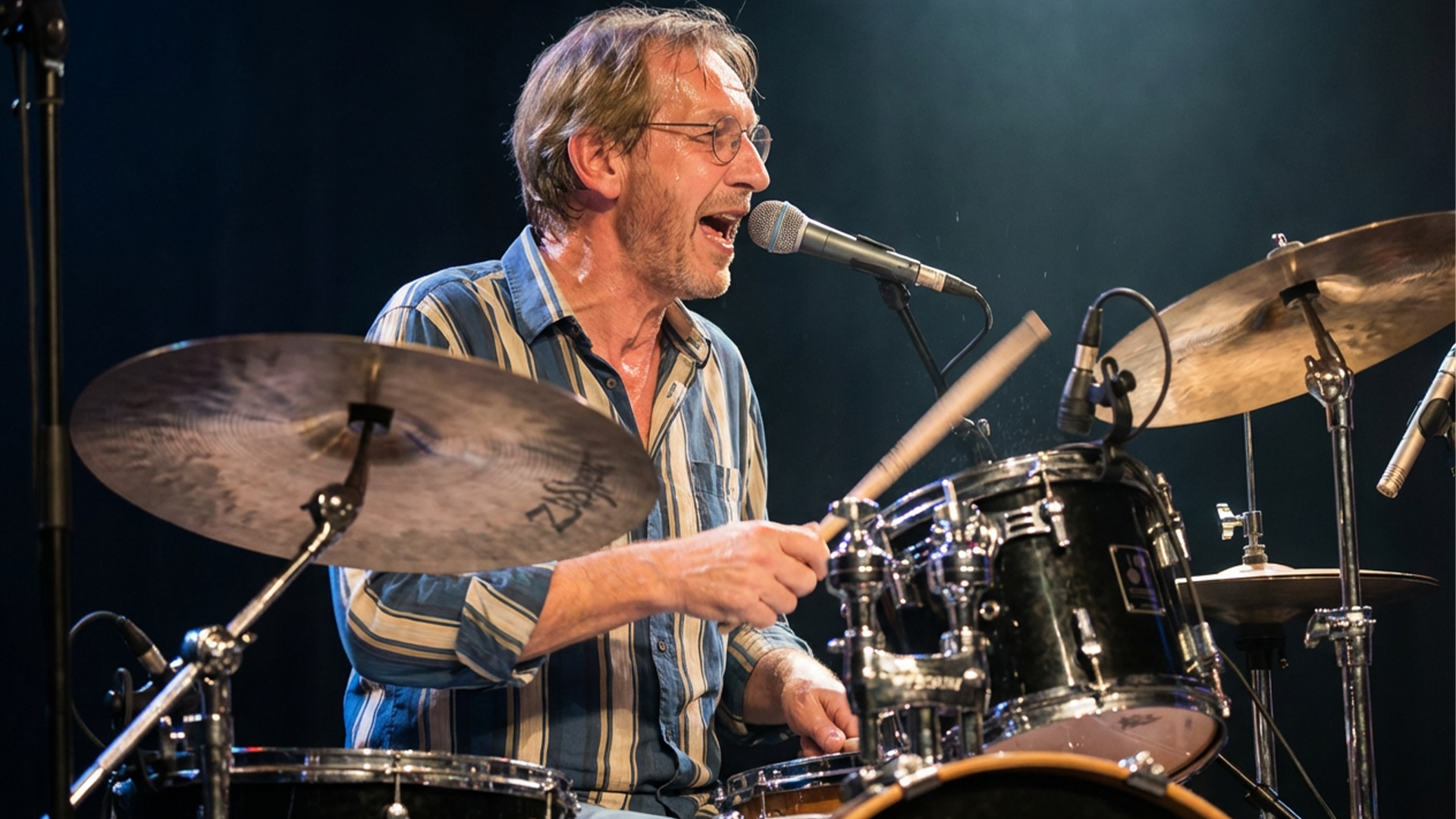
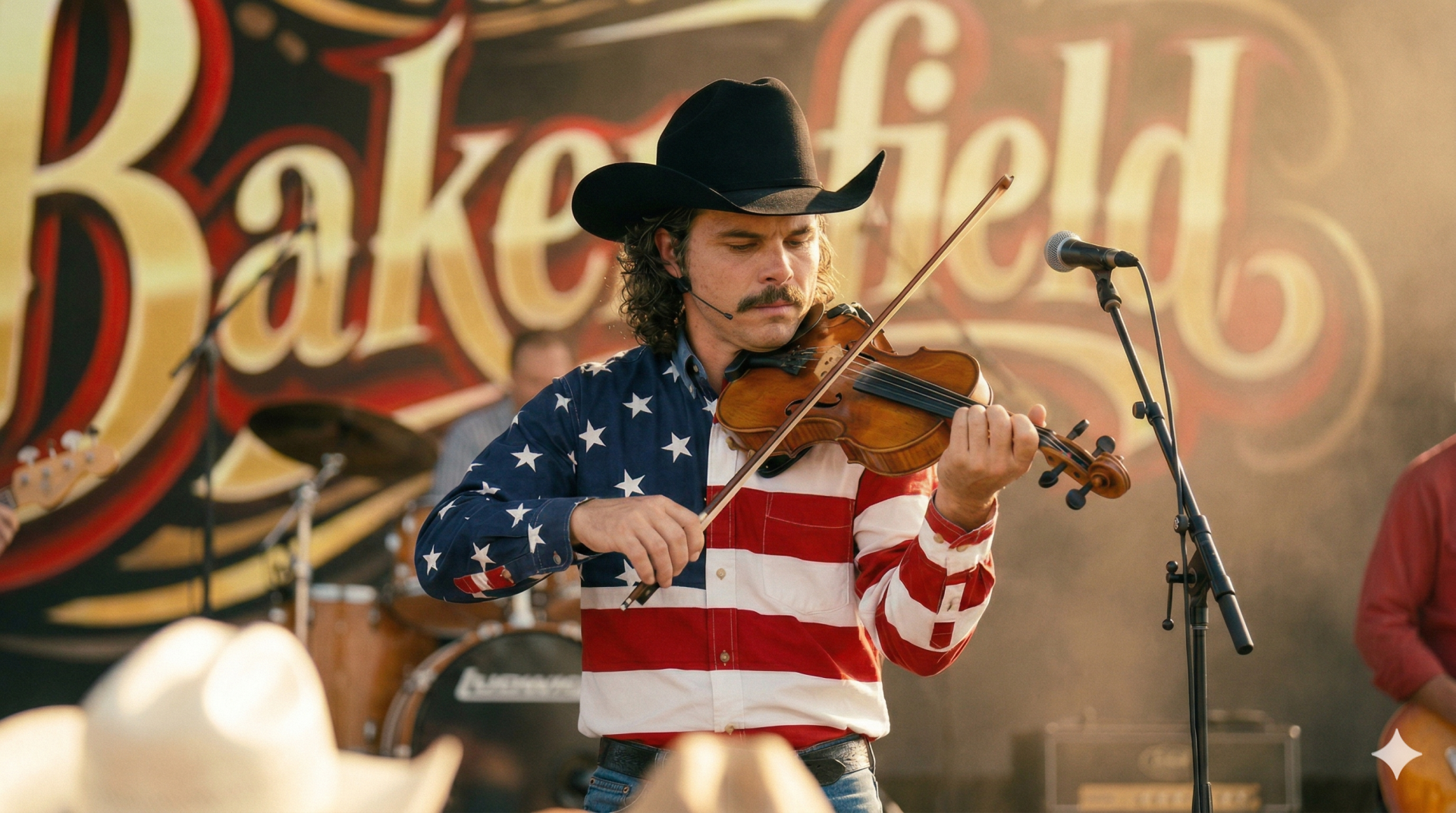
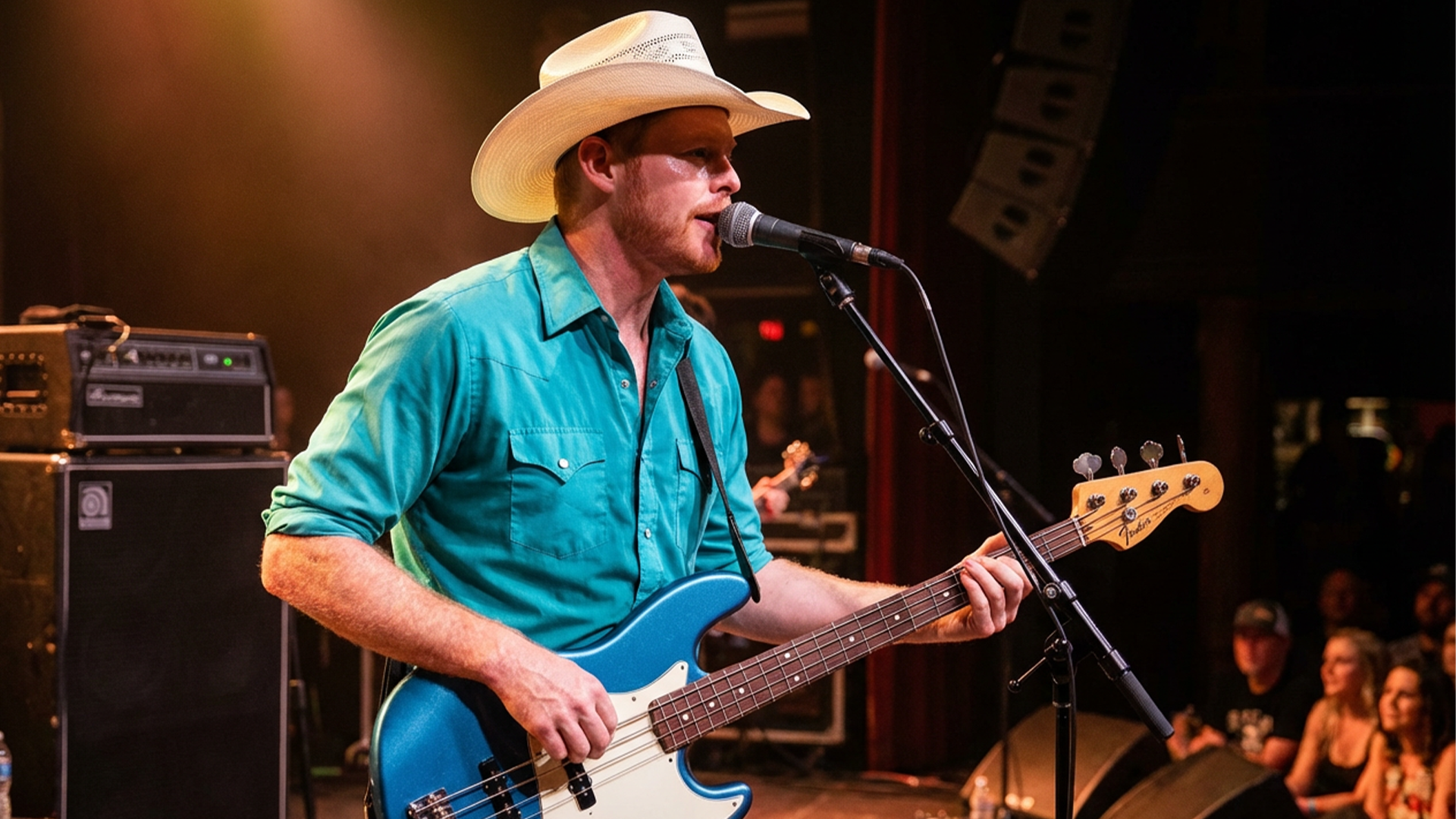
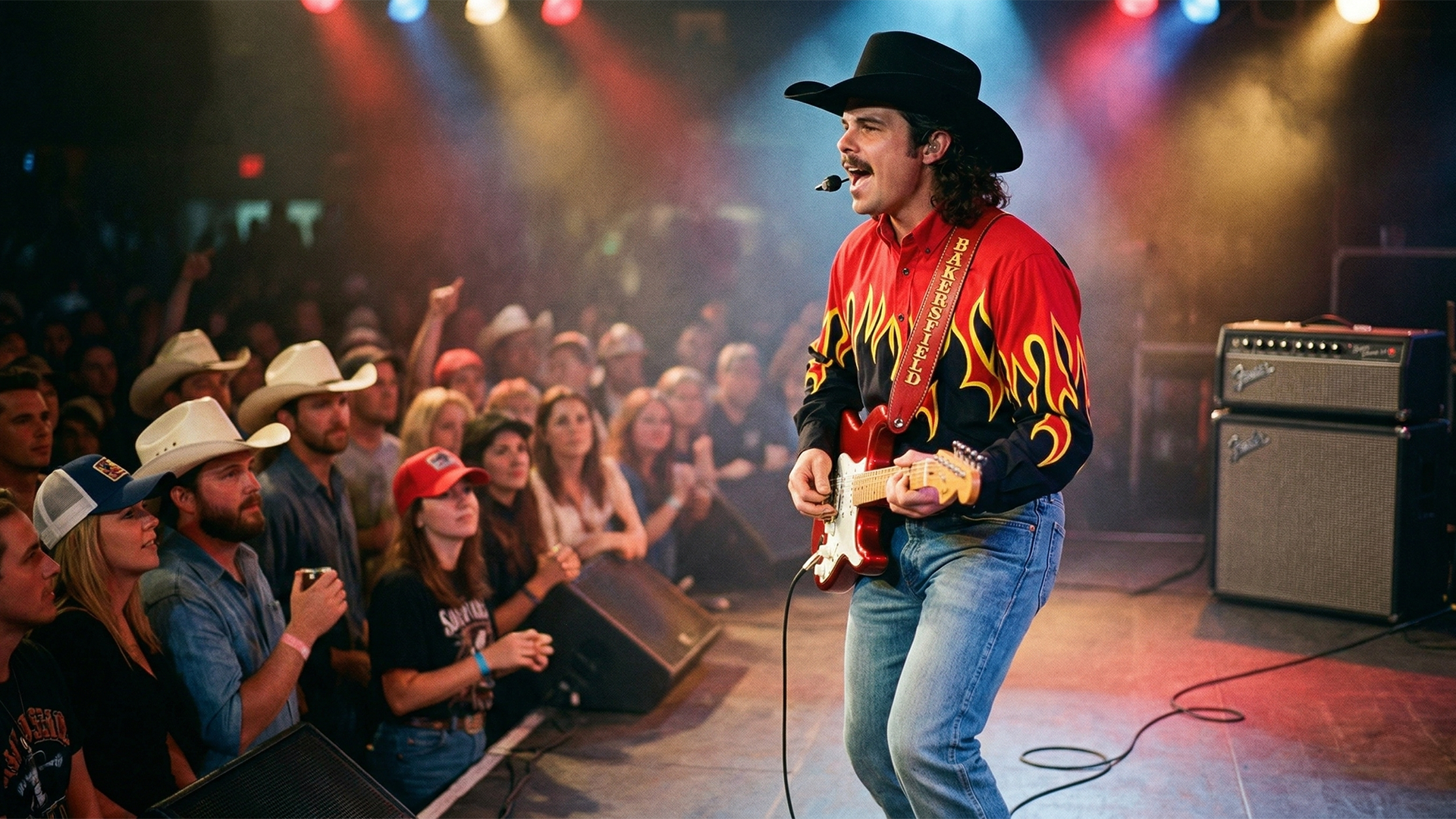
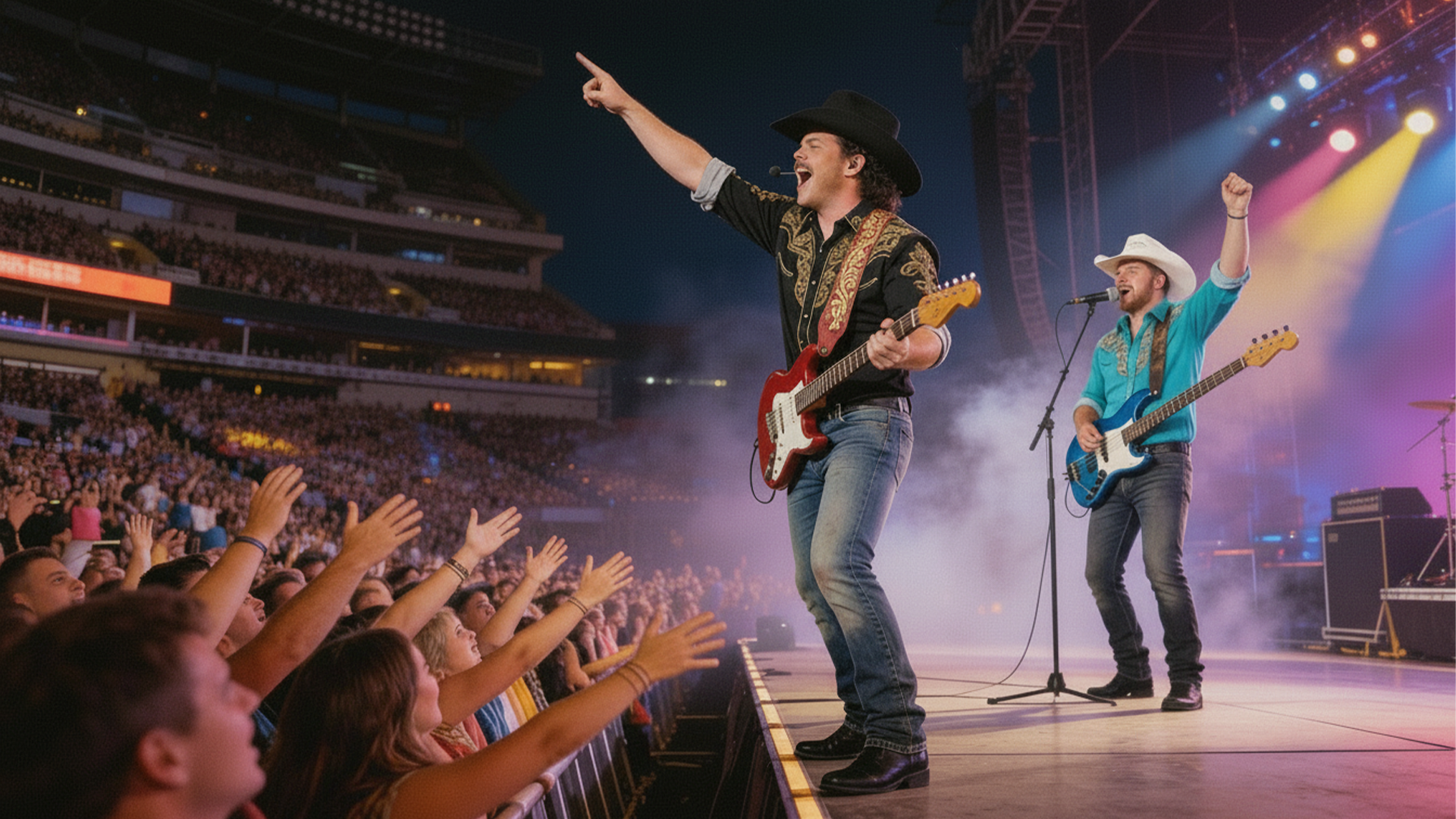
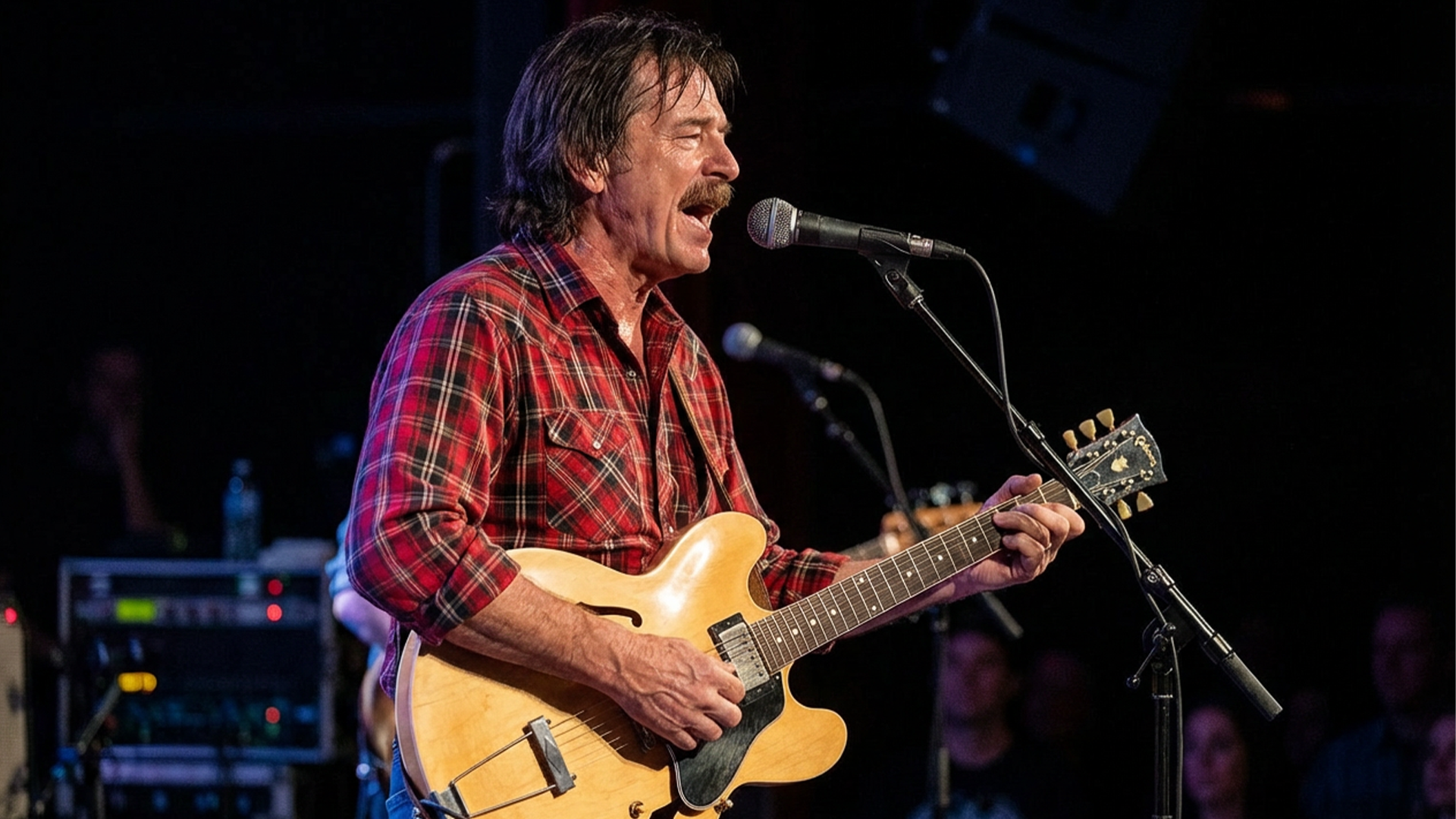
After the release of the Made in the Shade album, Brian’s old friend Mike and his 5-Star agency immediately hit Brian up to sign a deal to open for the upcoming Dwight Yoakam world tour he had brokered. But after Mickey started ghosting everyone and Tony retired, all that was left was Udo, and he didn’t want to go on tour, so no band. Bummed, Brian’s reached out to old friends Chrissy Leon and Keith Headley, and they came to the rescue, introducing fellow Brits Derek Smith on guitar and Rex Jones on drums.
Both Derek and Rex came to Germany in the 70s and began touring with big bands, jazz, and soul groups throughout the country. And although their style was not exactly country, neither was Brian really, so the trio gelled nicely and began working on the ‘Bakersfield’ sound. But Brian still needed a bass player, and as luck would have it, one had just moved in next door…
Bassist Randy DeBeers’ wife was a staff sergeant at Rhein Main Air Force Base and, as such, qualified for off-base housing. When an apartment in the building next to Brian’s opened up, they immediately jumped on it. Coming home from work one day and seeing the military moving truck, Brian figured he ought to go out and welcome his new neighbors. After a few laughs and a couple of beers, it came out that Randy had played bass in a band in his hometown and that he kinda missed performing. Seizing the opportunity, Brian ran home, grabbed his acoustic, and the two of them began jamming in the backyard to the delight of their neighbors, who eventually brought more beer and food. And Viola! They had a full-on barbecue party!
With Randy properly initiated, 5-Star agency now had a touring band, and the boys immediately went to work. First opening for Dwight Yoakam’s world tour, then The Mavericks, then The Bellemy Brothers, then Johnny Paycheck, etc, etc. Over the next three years, the band racked up over a million miles of travel worldwide, performing for the troops and earning the band multiple distinguished service citations and performance awards. Bakersfield was so popular that it became a household name in both military and civilian circles, being invited to perform at numerous Trucker festivals and television events across Europe, even into formerly communist nations.
Brian’s young family traveled along whenever they could, becoming just as much a delight to fans and fellow performers as the members themselves. His young boys served as roadies for the band, manned the merchandise booth, or, at times, caused mischief, as all boys do. It was a veritable family affair.
I was booked for a week-long music festival at Bergsee Ratscher in former East Germany, and we decided to make a family vacation out of it. I had barely stopped the car when my two boys jumped out and ran toward the VIP area behind the main stage. This was the third time we had played at this festival, and we knew everybody on the team, so we didn’t think anything of it. Later, when my wife and I arrived in the VIP area to mingle with the visiting artists, I introduced myself to a famous, very inebriated female singer who delightedly pointed out the ‘cute’ boys serving beer to all the musicians. Sure enough, there went my youngest, heaving a liter Bierstein with both hands over to a very grateful customer. Rolling my eyes, I politely excused myself to go round up my boys. – BGW.
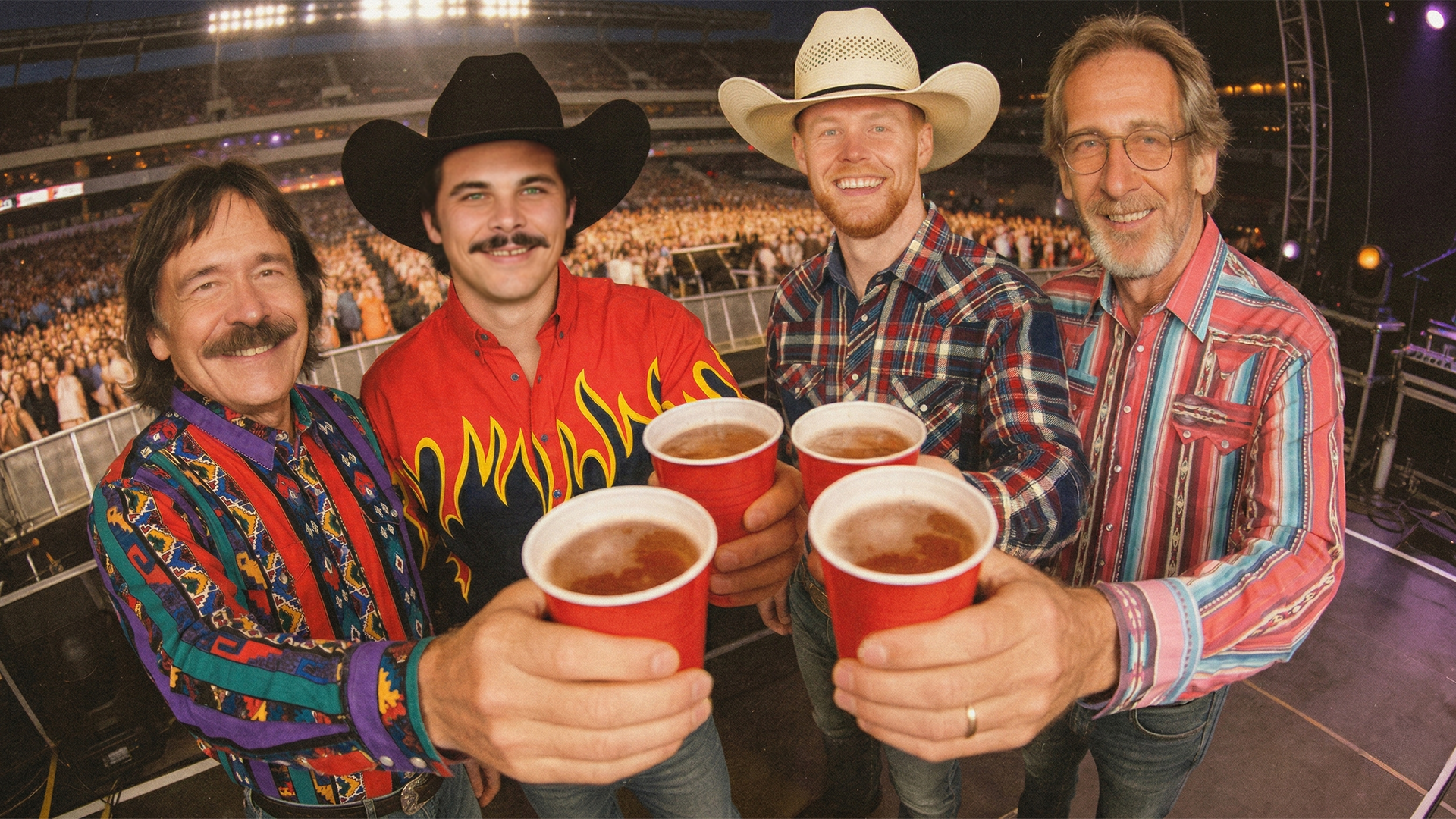
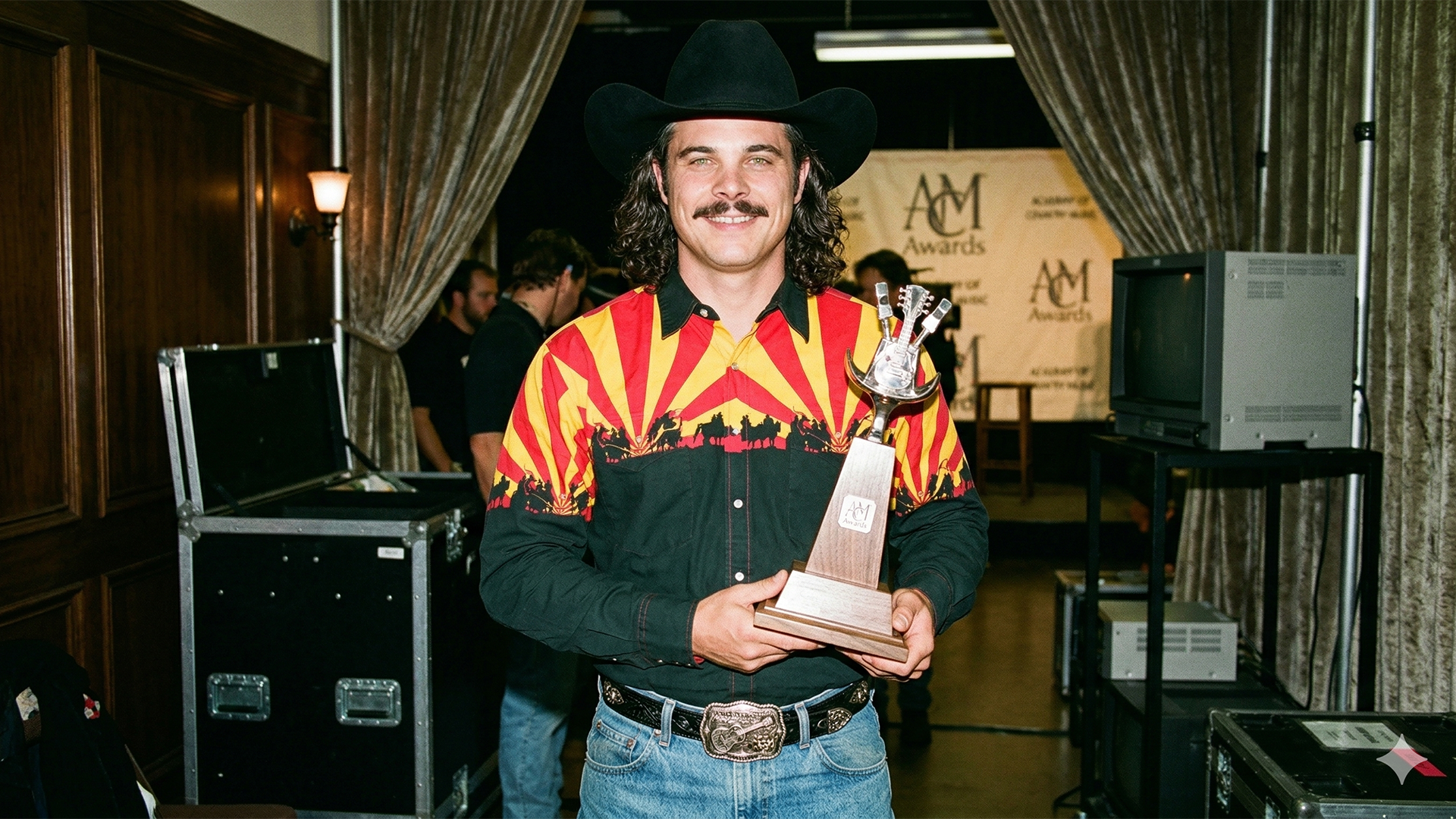
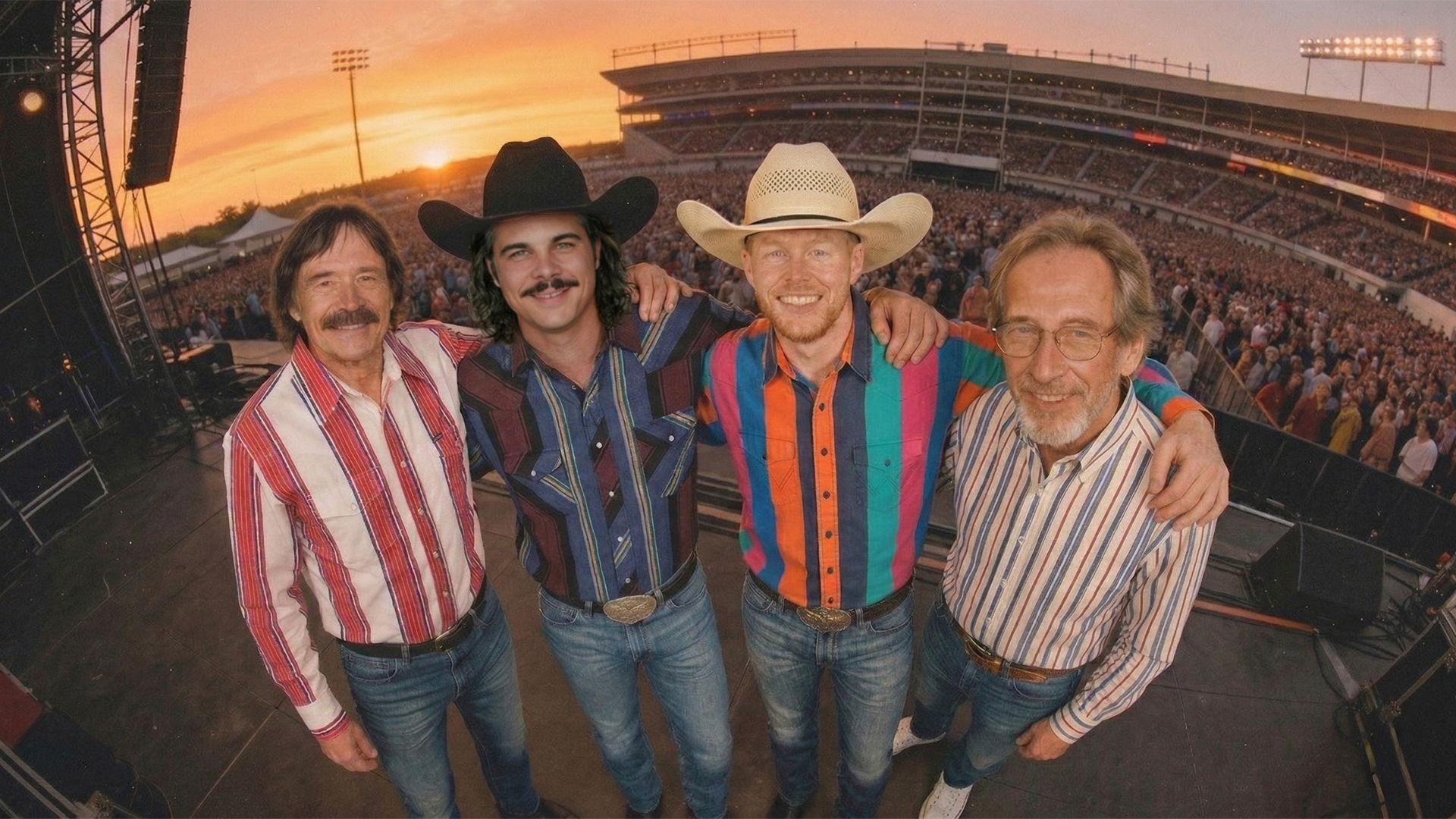
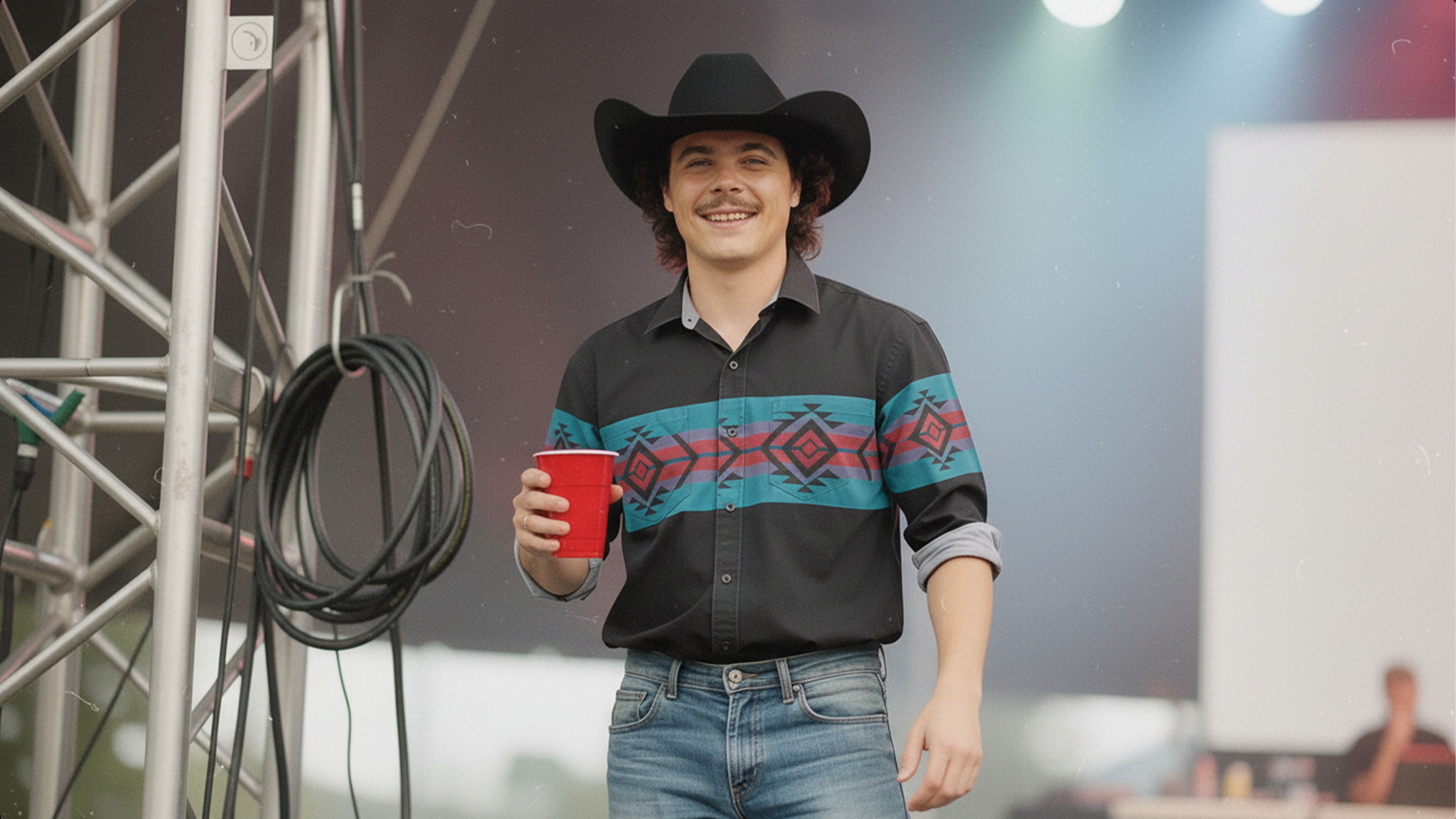
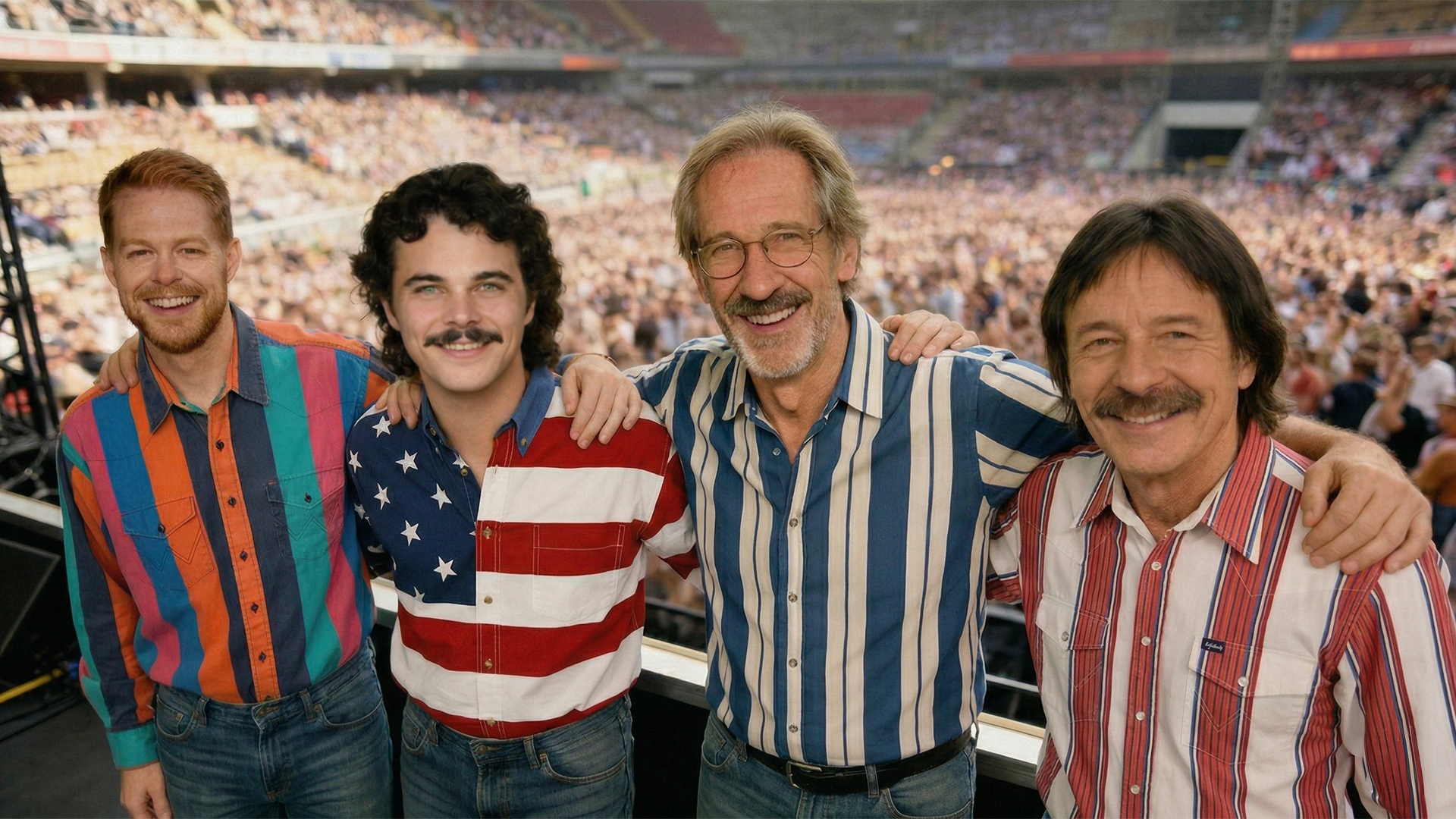
Bakersfield was Brian’s primary touring band, featuring a solid lineup of experienced and talented musicians. The band delivered a series of acclaimed shows that not only connected with fans but also set standards that other artists still draw upon today. The band’s teamwork created a lively and impactful live concert experience, earning them numerous industry awards.
While with Bakersfield, Brian received several awards, including Male Vocalist of the Year, Country Artist of the Year multiple times, Band/Group of the Year, and Most Versatile Musician for three consecutive years (1996-1998). He also received 3 distinguished service citations for his USO performances.
Bakersfield’s early lineup consisted of fellow hired guns Mickey Henke, Tony Hardin, and Udo Guckelsberger, and they performed primarily at US bases all over Germany. They played mostly cover songs but also peppered the program with a few of Brian’s originals. This formation fell apart when guitarist Mickey Henke had a falling out with Sony during the recording of the Made in the Shade album.
Bakersfield’s most successful lineup included Brian, Randy DeBeers, Derek Smith, and Rex Jones. Their teamwork set a new standard for musical harmony, earning praise in the press as “one of the tightest vocal groups in country music”, and numerous performance awards and citations.
Derek Smith and Rex Jones played a significant role in shaping Bakersfield’s sound with their British pop-influenced style. They collaborated closely with Brian, who aimed to create an authentic sound characterized by a blend of traditional country music elements and Brian’s Southern rock influences. A key aspect of the band’s unique style was the vocal partnership. Their strong harmonies became a signature element of their music, enhancing the band’s overall sound and adding to its distinctive flair.
Bakersfield signed with the 5-Star Talent Agency in early 1994 and quickly began touring military bases worldwide. When summer arrived, they joined USO tours and sometimes performed in military conflict zones. The band had the opportunity to open for or back several notable artists, including The Bellamy Brothers, Dwight Yoakam, Vassar Clements, Willie Nelson, Joe Diffie, The Mavericks, and Johnny Paycheck.
| Artist/Act | Year | USO-Tour-Region |
|---|---|---|
| Dwight Yoakum | 1991 | Desert Shield/Desert Storm |
| Dwight Yoakum | 1997 | Bosnia (Bosnia & Herzegovina) |
| The Bellemy Brothers | 1991 | Desert Shield/Desert Storm |
| The Bellemy Brothers | 1997 | Bosnia (Bosnia & Herzegovina) |
| Joe Diffie | 1991 | Desert Shield/Desert Storm |
| Joe Diffie | 1997 | Bosnia (Bosnia & Herzegovina) |
| Vassar Clements | 1991 | Desert Shield/Desert Storm |
| Willie Nelson | 1991 | Desert Shield/Desert Storm |
| The Highwaymen | 1991 | Desert Shield/Desert Storm |
| Johnny Paycheck | 1991 | Desert Shield/Desert Storm |
In preparation for the 2001 Made in the Shade Live Tour, Brian sought to recapture the band’s iconic ’90s-era success. To that end, he enlisted skilled session musicians Rusty Simms and Marvin Huntsman, known for their work on numerous Gold- and Platinum-selling projects. Through them, he was introduced to talented performers Nadundo Abasi, Torrey Gerardo, and Tiffany Janis. Their unique styles and fresh perspectives perfectly embodied the iconic Bakersfield sound. The tour spanned 16 shows, drawing nearly half a million fans. From this tour, the 2002 album Made in the Shade Live! was born. It sold out in its first week and served as a perfect conclusion to the Bakersfield band’s era.
Brian Walton: Vocals, Keys, Fiddle, and Guitars
Mickey Henke: Bass, Guitars, and Vocals
Tony Hardin: Bass and Vocals
Udo Guckelsberger: Drums and Vocals
Brian Walton: Vocals, Keys, Fiddle, and Guitars
Randy DeBeers: Bass and Vocals
Derek Smith: Guitars and Vocals
Rex Jones: Drums and Vocals
Brian Walton: Vocals, Fiddle, and Guitars
Rusty Simms: Keyboards, Pedal Steel, and Guitars
Marvin Huntsmann: Bass and Vocals
Nadundo Abasi: Drums and Percussion
Torrey Gerardo and Tiffany Janis: Backing Vocals
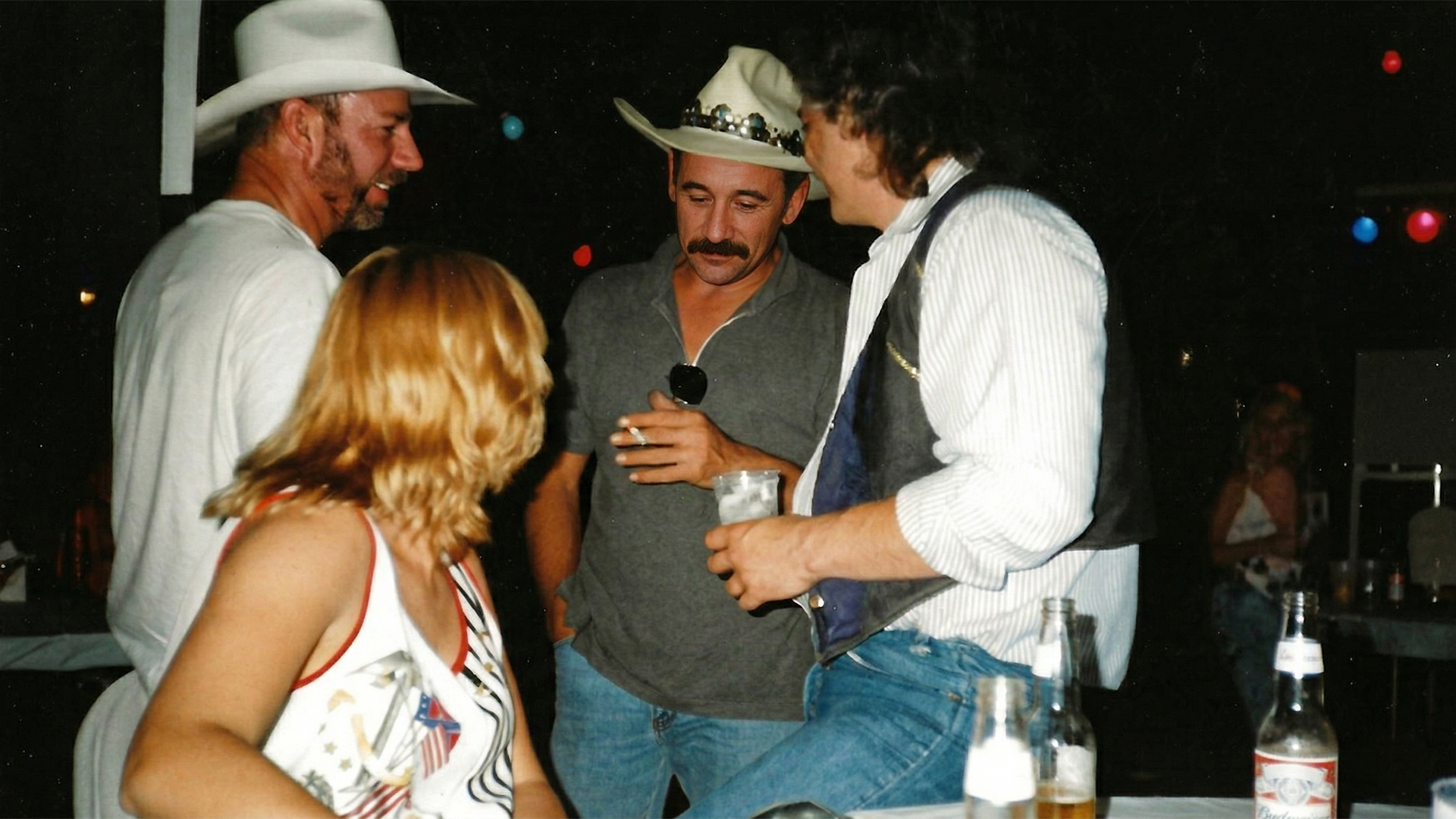
It was 1997. Rex and Derek, now in their sixties and tired from years on the road, told Brian they wouldn’t be touring anymore. The much younger Brian and Randy tried to keep Bakersfield alive with other musicians, but they just couldn’t recreate the magic and finally gave up in late 1997.
Brian had met singer Rob Hawkins while playing with the Nightstalkers at the Rainbow NCO Club in Darmstadt. Rob had a solo act that was doing pretty well, and when he heard Brian was available, he asked if he wanted to team up and form a duo like Brooks and Dunn. Yeah, No. Brian, still under contract with the 5-Star agency, thought a band would work better, so he brought Udo Guckelsberger back on drums and asked his old friend, bassist Bob Barnett, if he wanted to join.
Brian had met Bob Barnett through Chrissy Leon and Dave Bell many years earlier. Bob, a civil service employee of the Army based in Mainz, Germany, was building a home studio, and he and Brian often got together to work out technical details and record, especially when Brian received projects from Capitol Records. Some of that work ended up in the soundtracks for Roman Polanski’s The Ninth Gate and Steven Spielberg’s Schindler’s List. Bob also performed frequently with fellow American and fiddler Helt Oncale, who had his own gig and often sat in with the top local country bands of the time.
Brian now had a band of top players who couldn’t or wouldn’t fully commit to the project due to other obligations, and he wasn’t about to risk the Bakersfield brand. So, he came up with a new band name, Weekend Moon, after the hit song he had released just a few months earlier.
Initially, things went well; the group was tight and professional, quickly earning the 5-Star agency’s favor. But eventually, Rob felt overshadowed as he tried to keep up with more experienced performers, and he left after only a few months. After that, Bob’s previous commitments began interfering, and Brian spent more time working with hired guns than being creative. Then came Westend…
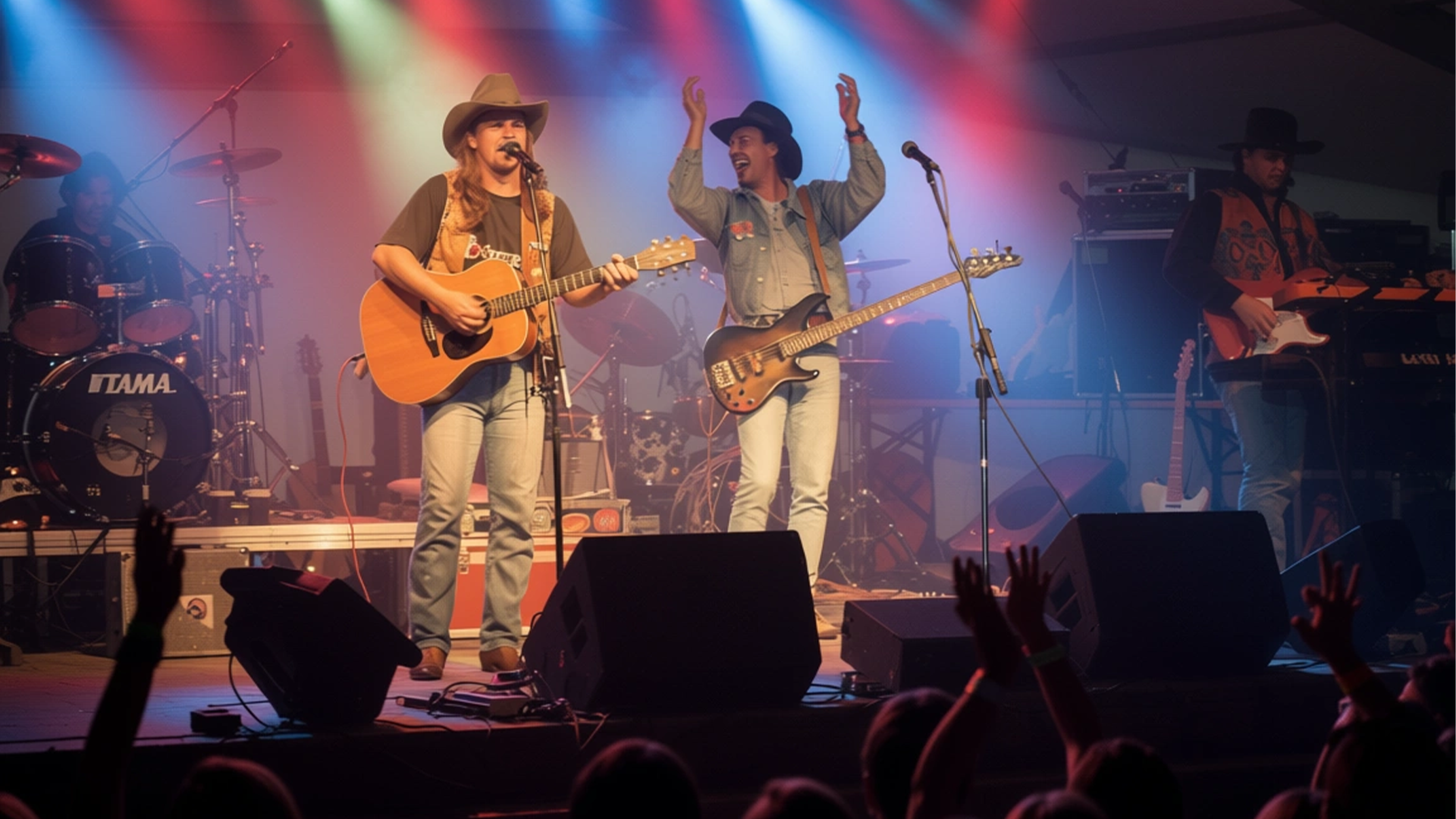
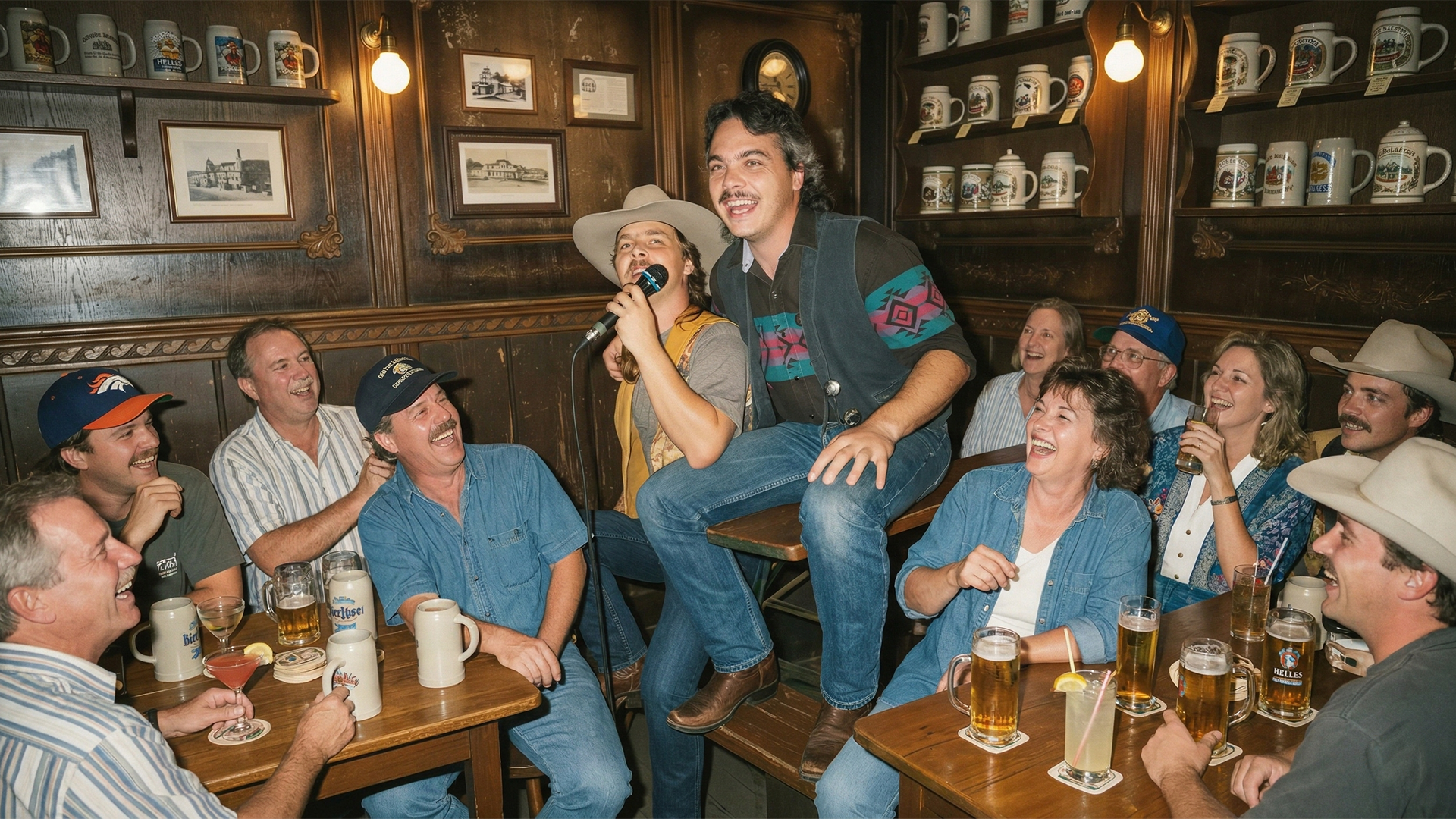
The fall of the Berlin Wall in 1991 marked a significant turning point in both Germany’s political landscape and its cultural scene. From the remnants of the failed German communist state in the eastern province of Thüringen, the band Westend emerged and started making a name for itself in the country music scene.
Brian ran into Andy Schingnitz, lead singer of Westend, at one of the many Trucker Festivals they both played when Bakersfield was still tearing it up. It turned out that Brian’s wife had family from Erfurt, the same city as Westend, so it was no surprise they hit it off. Quickly becoming friends, Brian and Andy would cameo at each other’s gigs, goofing around and acting out improv skits to the delight of fans. When Bakersfield hit the skids, the national press began suggesting that Brian would join Westend, so one day, as if ordained, Andy asked Brian if he’d like to join, and Brian, not one to disappoint, accepted.
Brian stepped in as the second lead guitarist alongside guitarist Dieter Knoblauch, bringing in lap steel guitar, fiddle, and keyboards as needed. This gave the band a fresh vibe, with tight five-part harmonies and a broader setlist. As a result, Westend rose to the top of the European country music scene and was busier than ever.
What Brian didn’t know when he joined Westend was that he was diving headfirst into a messy power struggle between Andy and Dieter. Westend mainly played cover songs, and there was a clash of visions. Andy was a fan of sticking to traditional country, while Dieter was eager to embrace a more contemporary sound. It wasn’t uncommon for their debates to escalate into alcohol-fueled shouting matches at gigs, often dragging Brian and the rest of the band into their feuds.
The power struggle and the stresses of touring took a toll on the band members, leading to increased tensions and, ultimately, to their disbandment in 1999. After the split, Andy Schingnitz reformed the band with a new lineup.
As for Brian, with opportunities coming in the US and the recent economic downturn in Europe, he decided to pursue new ventures Stateside. So, in early 2000, Brian and his family said a tearful goodbye to Germany and hopped a plane to the Golden State…