
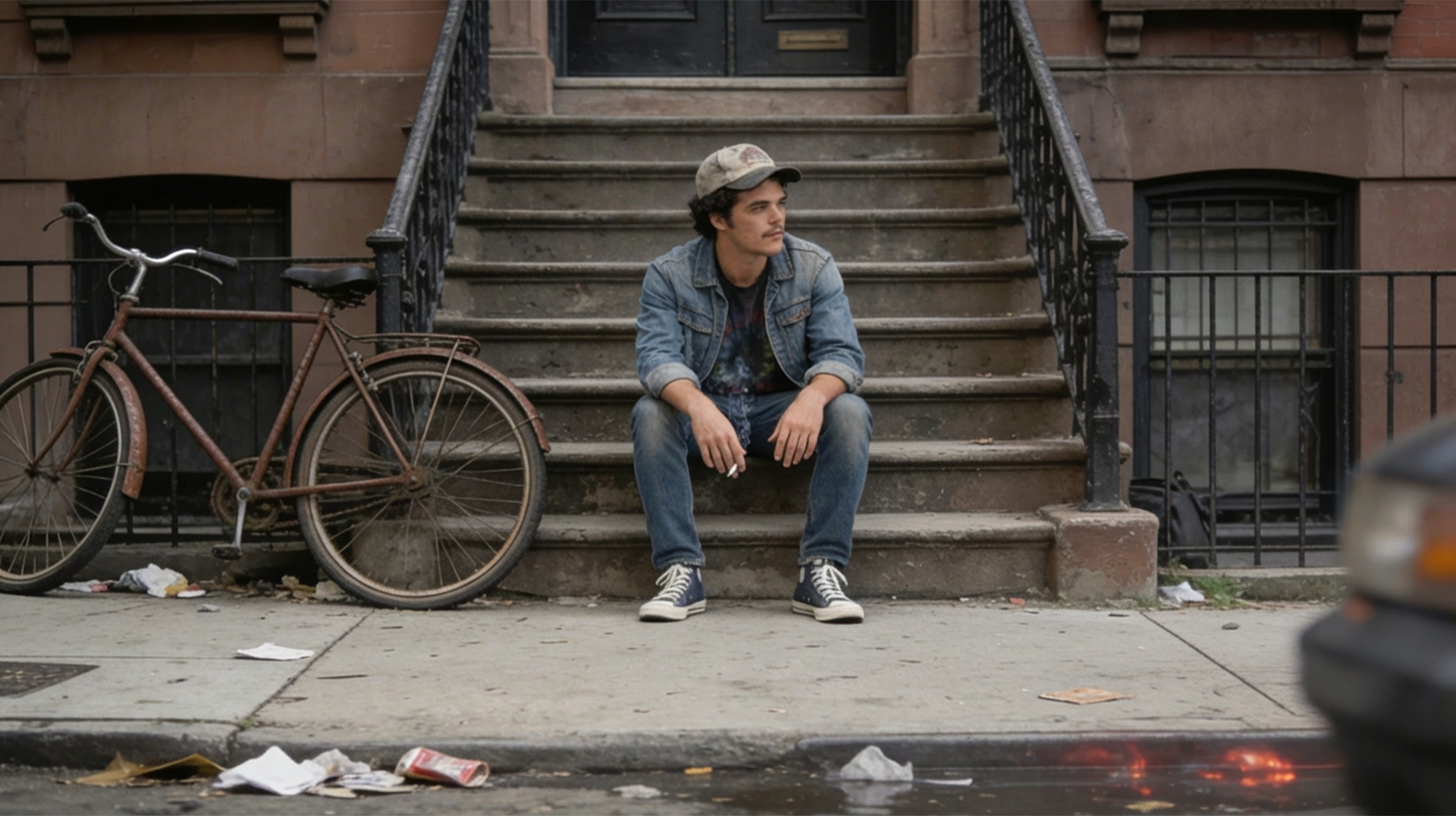
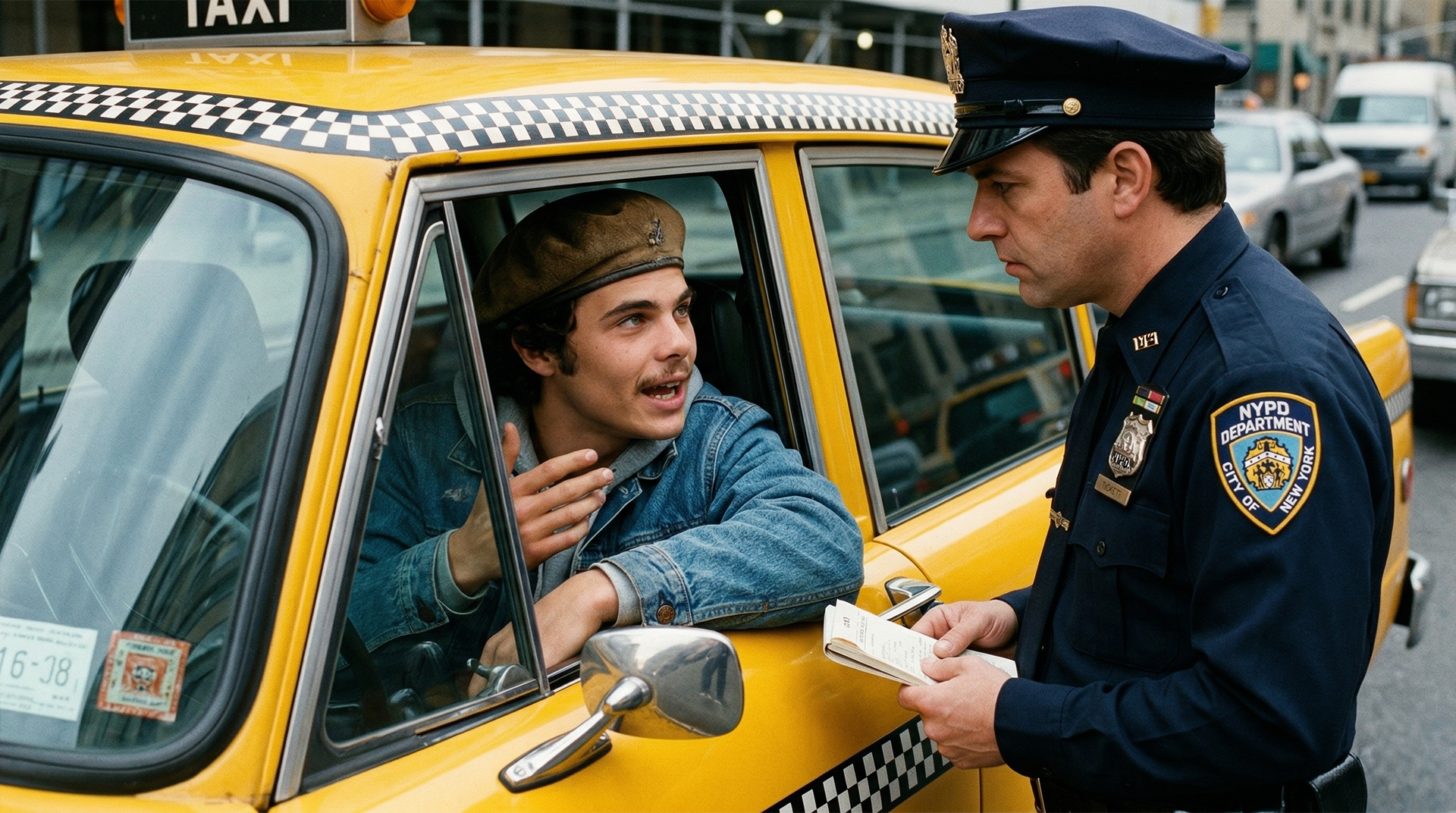
The only thing worse than the Big Apple’s pungent aroma is its high cost of living. Like many college students, Brian struggled to make ends meet, so between his studies at Juilliard and his gig at Trude Hellers, he took on extra roles and bit parts he usually found on the school’s bulletin board. Most of the time, he was just another face in the crowd, but every now and then, he would land a small part, like a drunk taxi driver, a psychotic drug dealer, or even a typical belligerent NYC cop.
For instance, when the movie Fame was being produced, Brian played one of the many extras in the street-dancer scene, and in Raging Bull, he was one of the fight spectators. You get the idea. A quick buck for a bit part…
I once portrayed a corpse, lying naked on a hospital gurney with only a small towel to cover myself. After a take, some dufus ran through the scene and tipped the gurney I was on, causing me to hang partly upside down, losing the towel, and regaling the crew with a full-on money shot. It was one of the few times I was asked to go for drinks after work. – BGW
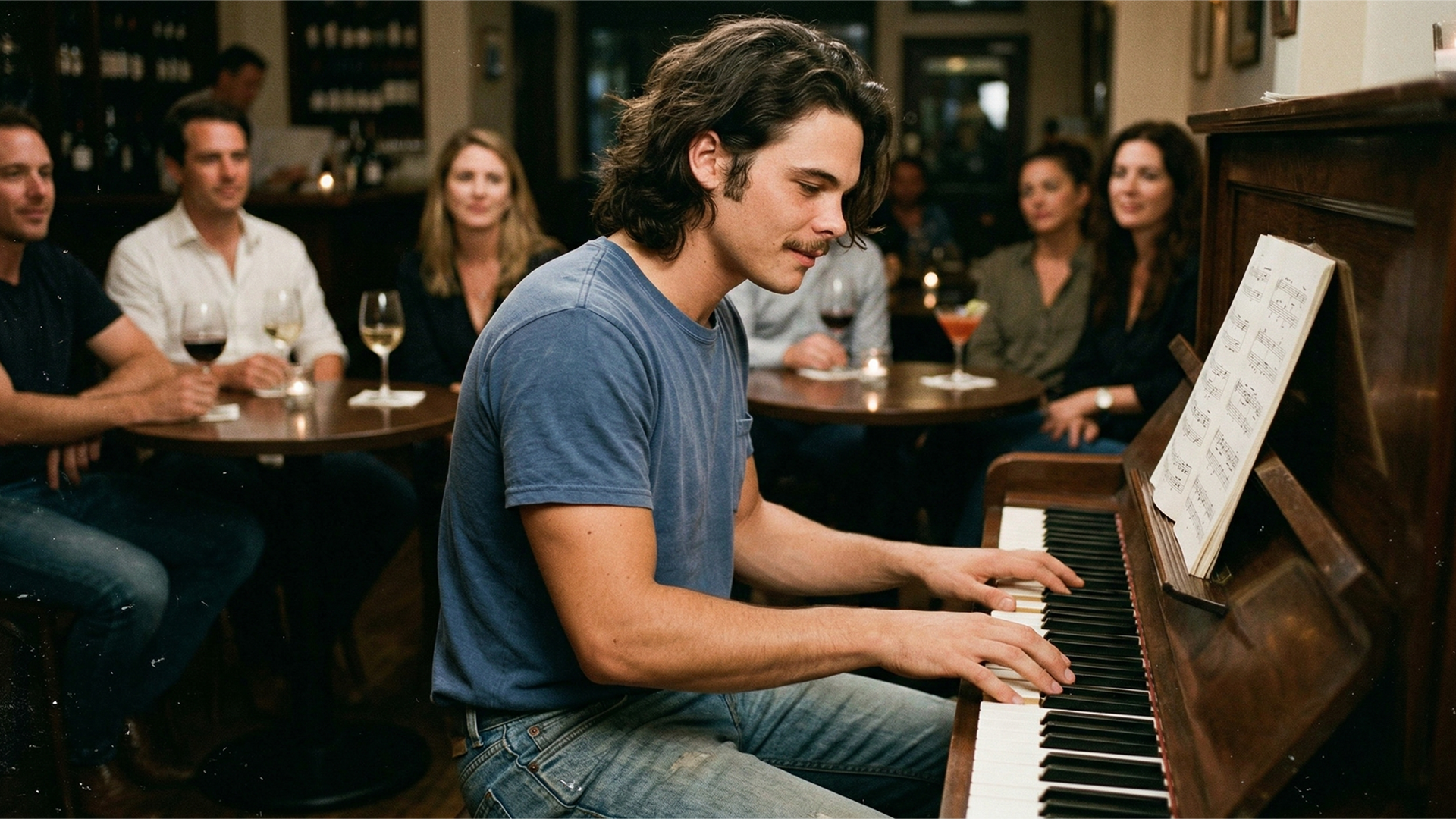
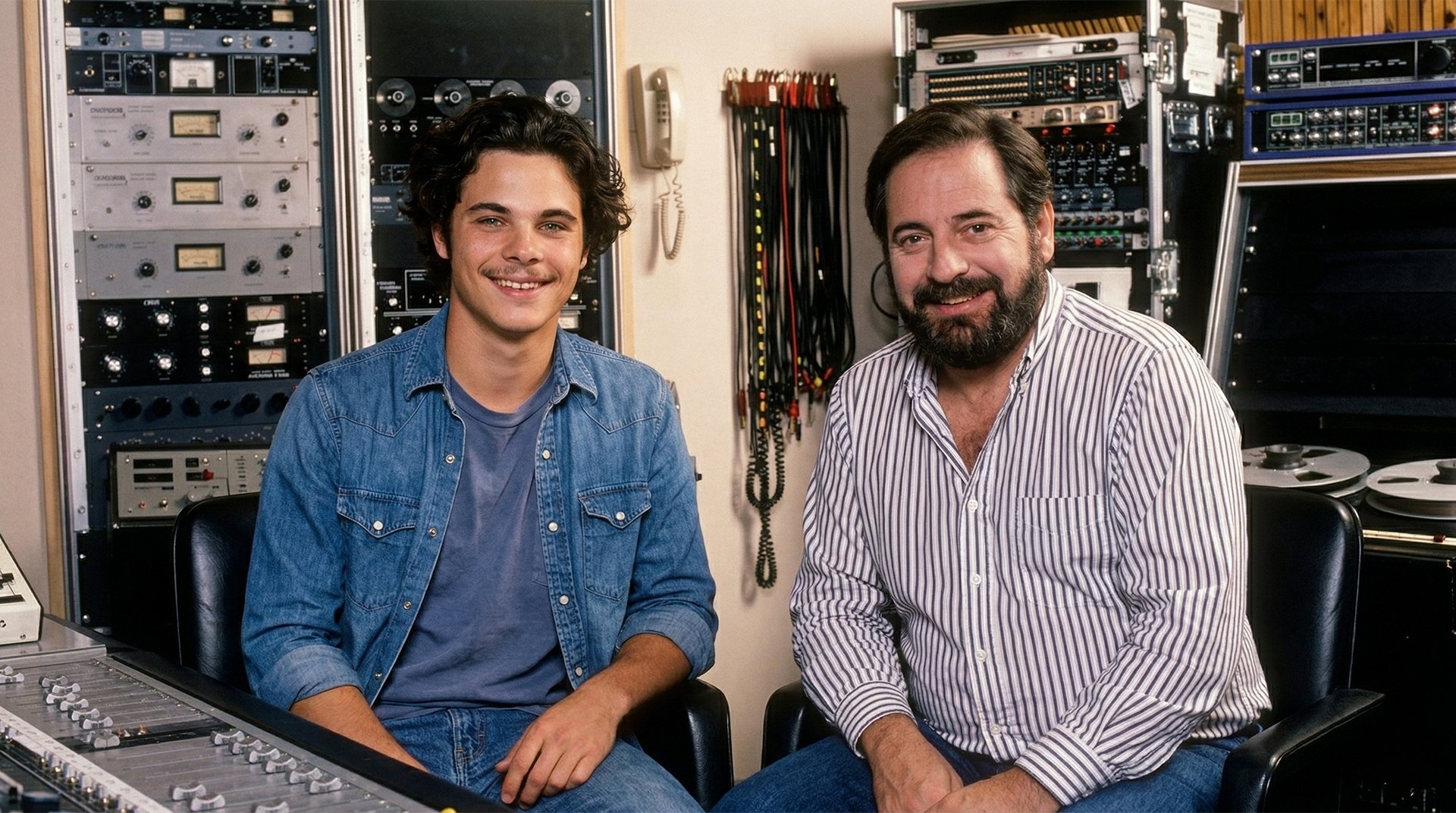
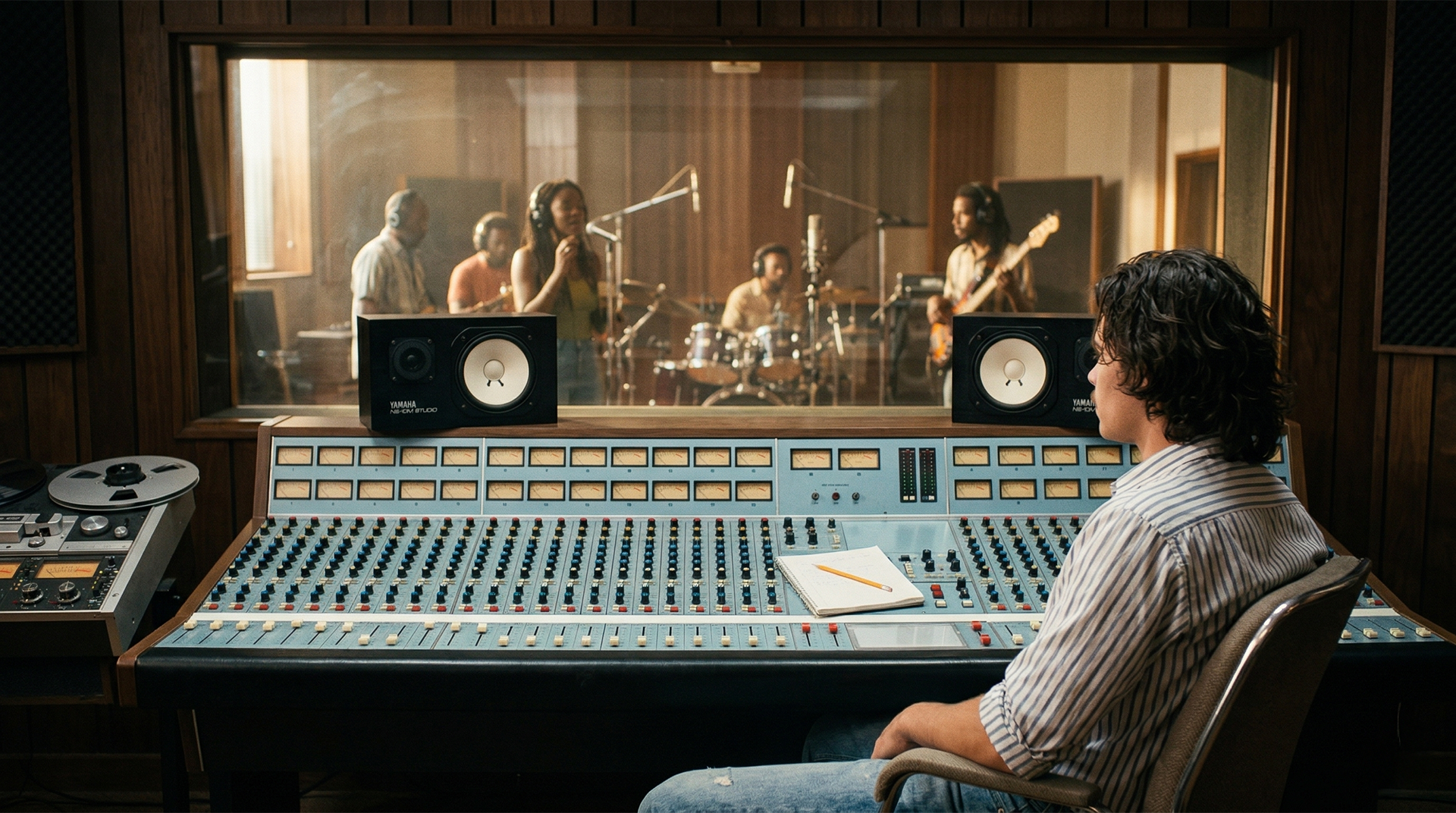
Brian’s daily happy hour gig in the wine bar at Trude Heller’s was his domain. It was the perfect stage for him to hone his craft, dive into jazz and show tunes, and create connections with the bar’s regular patrons. Among those familiar faces was Phil Ramone, the legendary producer and co-founder of A&R Recording Studios. Phil was known for his groundbreaking work with iconic artists like Billy Joel, Paul Simon, and Barbra Streisand.
What Brian didn’t know at the time was that one of his teachers had given Phil a heads-up about him. Phil had actually been scouting talent from the audience during Brian’s performances. So, when Phil waved him over for a chat one afternoon after his set, it turned out to be a pivotal moment. Phil took a moment to fill him in on what it was like to work in a studio and then hit Brian with the big question: Would he be interested in an apprenticeship? Feeling flattered and a bit starstruck, Brian jumped at the chance.
Phil primarily worked out of the West 48th Street Studio, which is where Brian’s journey began. He started off with basic tasks—fetching coffee, pulling cables, and moving microphones. But it didn’t take long for Phil to see that Brian had much more to offer than just being a cable jockey. Recognizing his potential, Phil reached out to Donald Hahn, the chief engineer at the 7th Avenue Studio, and soon Brian found himself positioned at the sound desk. At first, he focused on producing demos, but it wasn’t long before he was producing full-length albums for artists like Peter Tosh, Dayton, and Judy Collins.
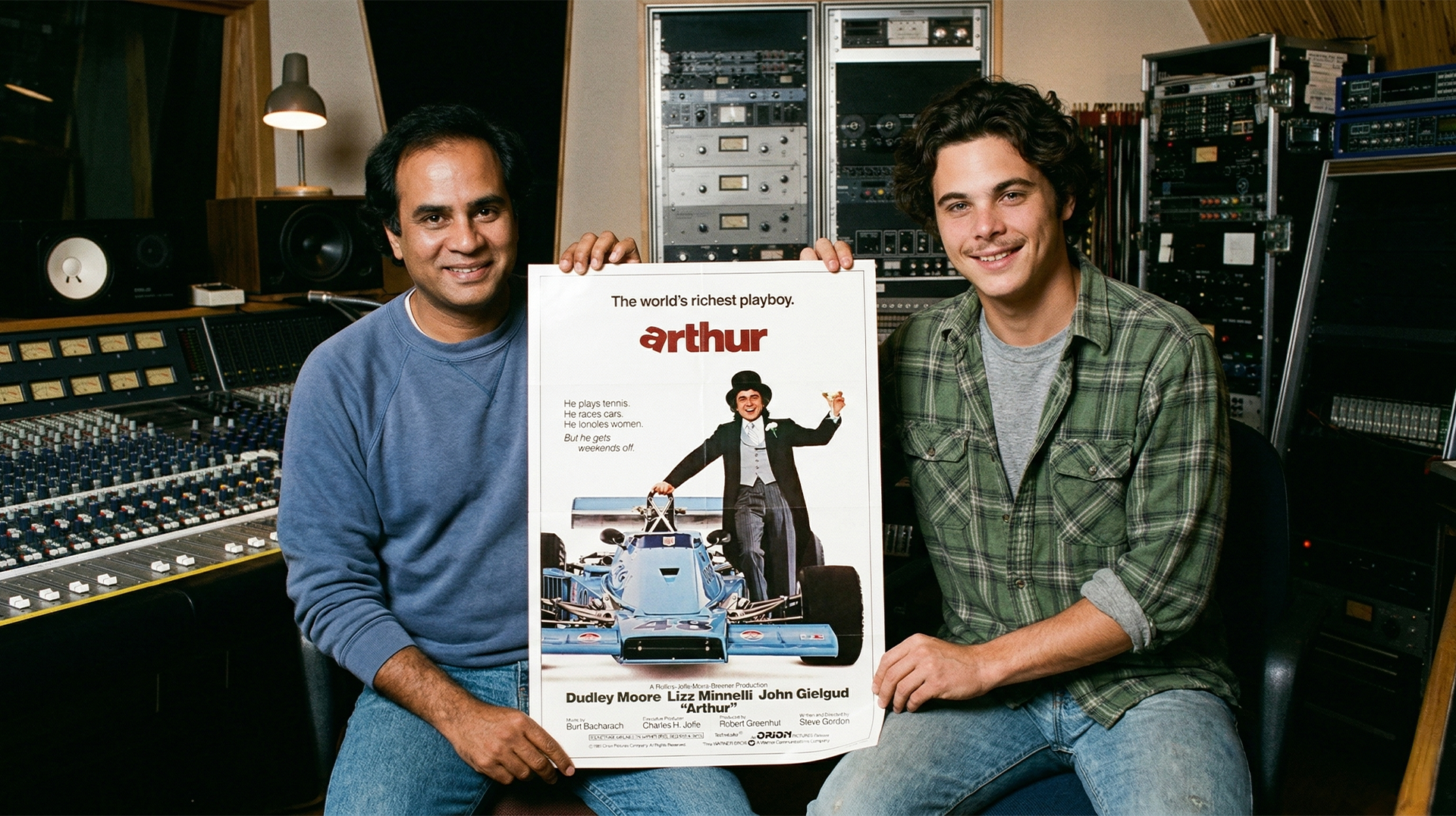
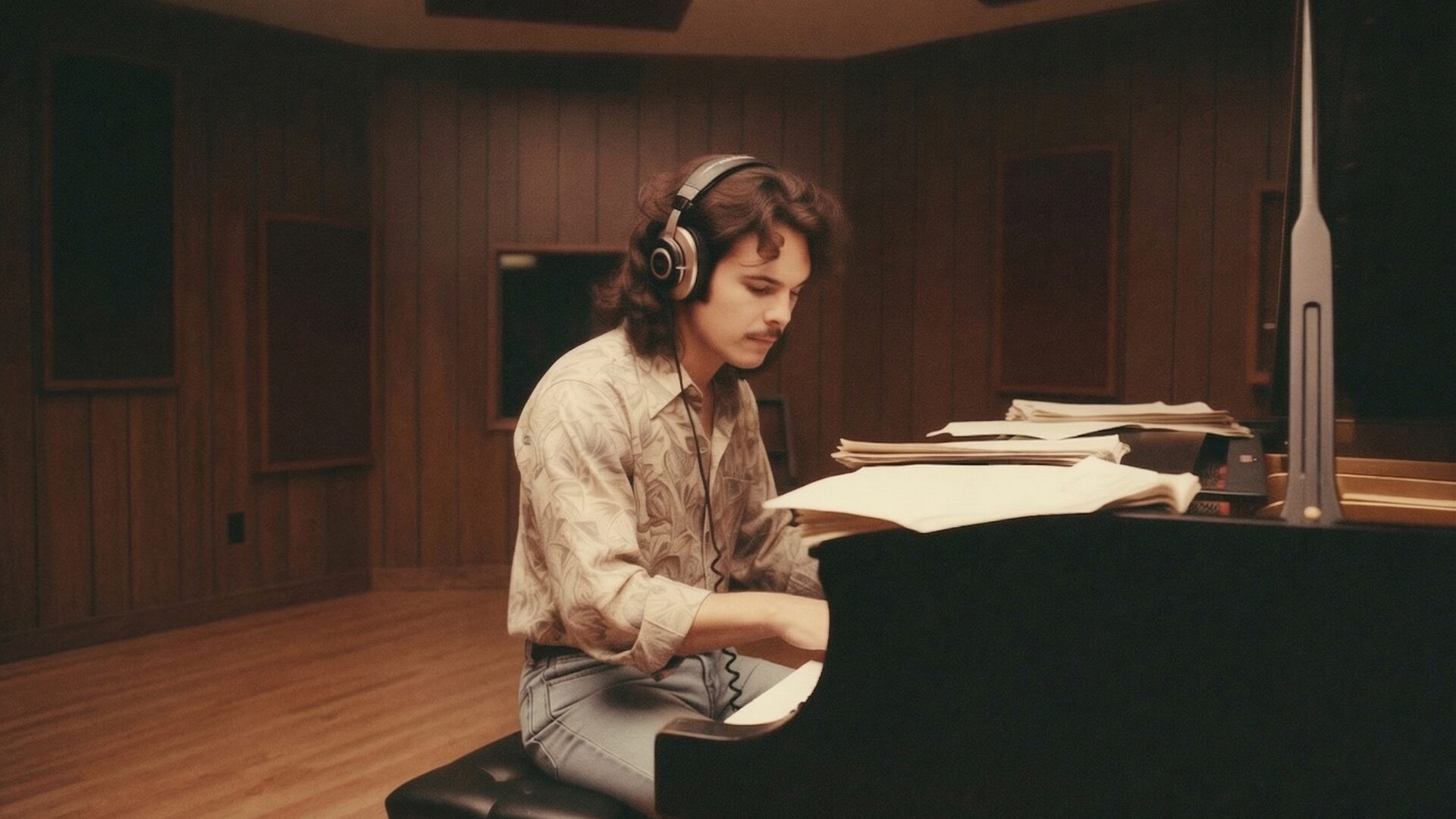
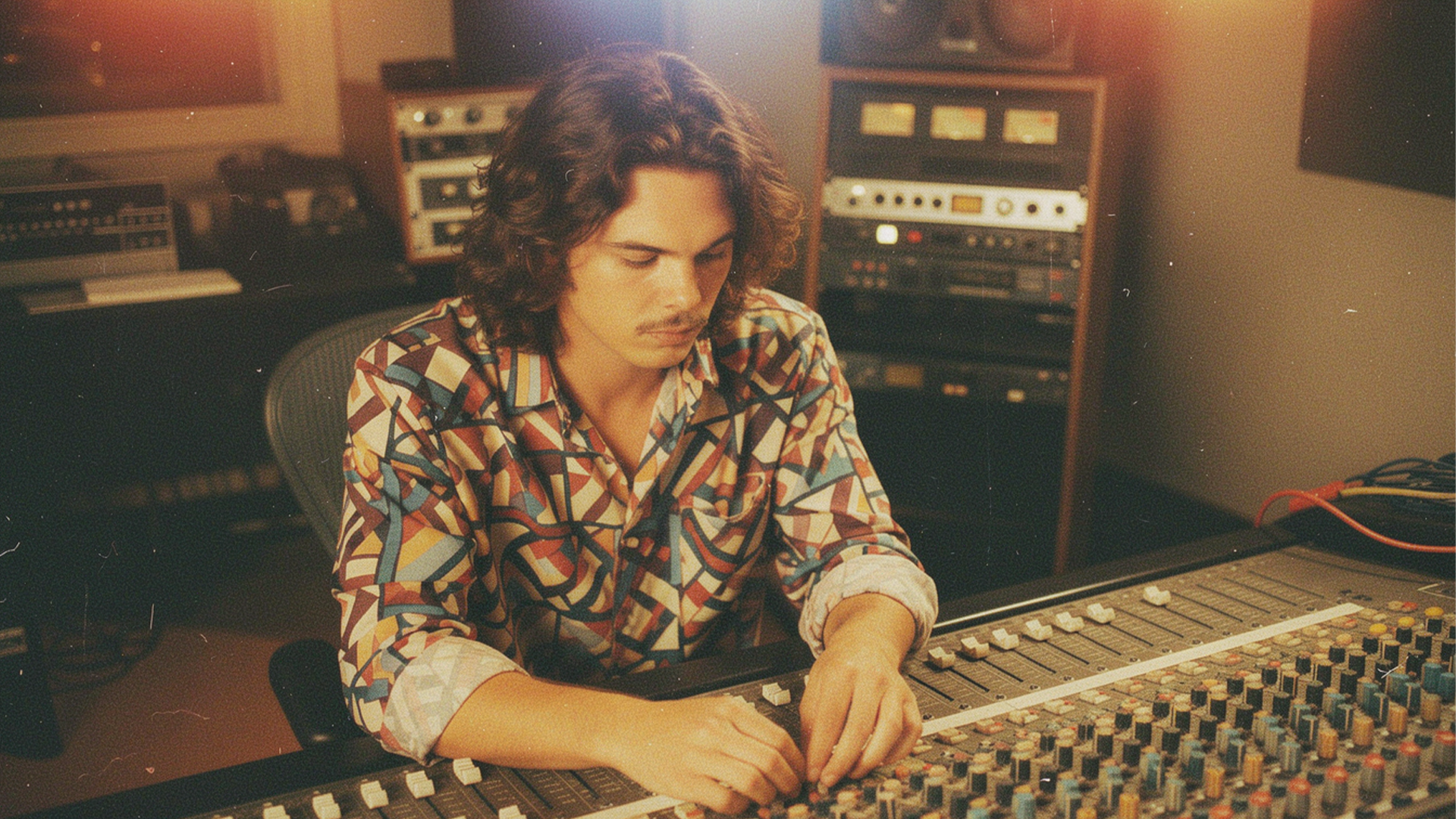
While collaborating with Collins, Brian really had the chance to showcase his compositional skills, making quite an impression on her. She was so impressed that she passed that enthusiasm along to Phil. So, when A&R Recording landed the opportunity to record the soundtrack for the 1981 blockbuster *Arthur*, Phil made a clever move by slipping Brian into the sound booth with the iconic composer Burt Bacharach and producer Michael Omartian.
It was a bit of a gamble at first—Burt had his reservations about including a kid like Brian in such a high-profile setting. But those doubts faded fast when he saw the spark between Brian and Liza Minnelli as they played at the piano together. Before anyone knew it, the trio was completely immersed in their creative flow, often working late into the night and going through reams of paper as they scored the soundtrack.
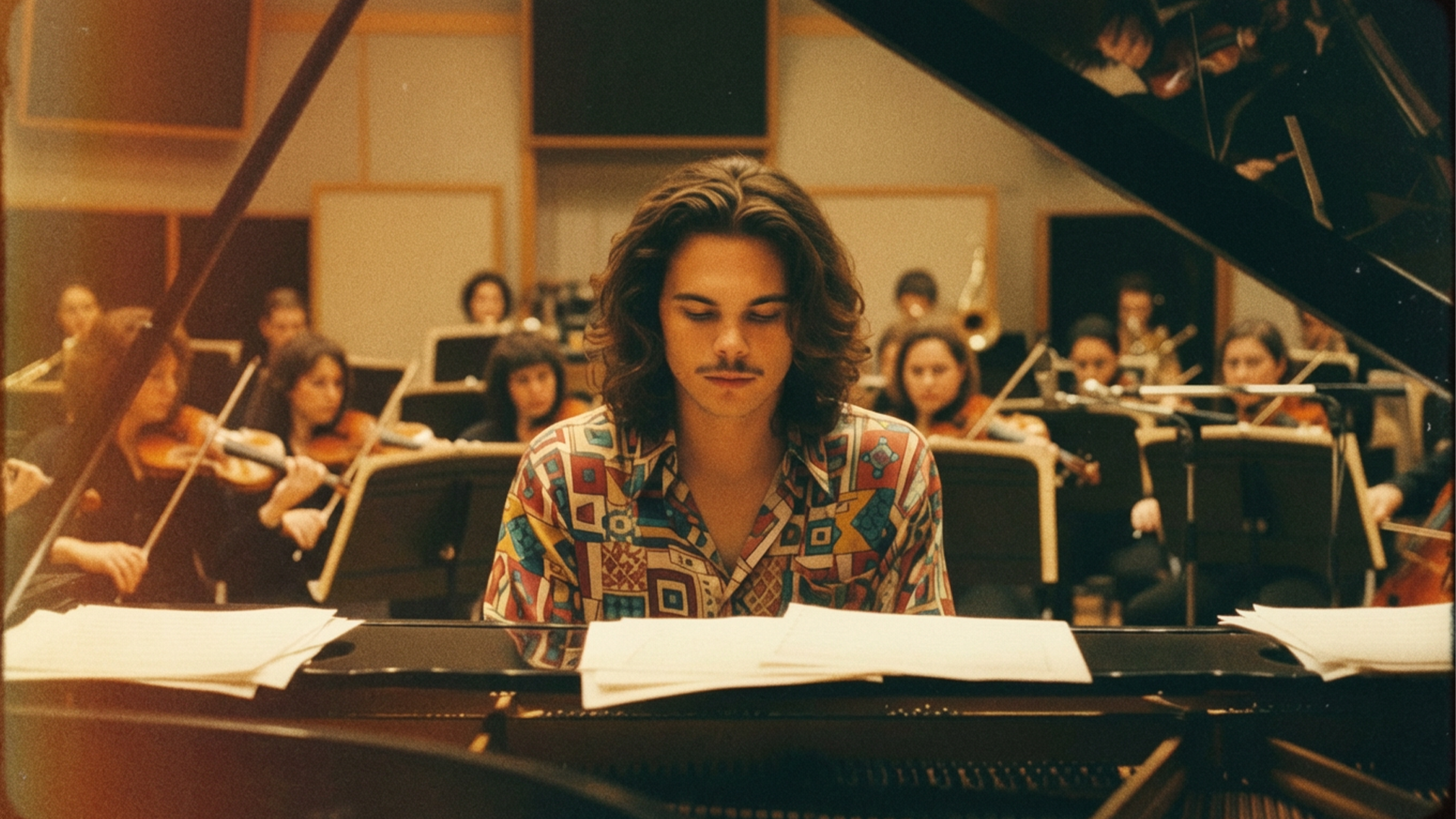
When it was time to hit the studio and record the soundtrack, Omartian stepped in as producer, allowing Brian to take on the piano duties in place of Bacharach, who had another commitment. This meant Brian had to turn the jumble of notes and ideas he, Burt, and Liza had put together into polished scores for each instrument. Although it was a new experience for him, Brian was known for being the fastest scribe in town, making him the ideal choice for the task.
Studio A1 pretty much turned into Brian’s second home during the recording sessions. Living off crappy takeout and catching cat naps whenever he could, Brian was busy scribbling out score sheets for each day’s session. When it was time to record, he’d drag his butt in front of the piano and pass out score sheets to the musicians as they filed in. If during the recording Omartian noticed something was off—like a part that didn’t feel right or an instrument not in sync—Brian would quickly grab his pencil and re-score the part on the fly before jumping back into recording.
Omartian was all about keeping it real in the studio and steered clear of overdubbing whenever he could. Even though Brian was putting in daily practice for school, he hadn’t quite hit the level of a one-take wonder like some of his fellow musicians just yet. His lack of sleep sometimes led to a few mistakes, but he found a bit of solace whenever a seasoned pro flubbed a note. For the most part, though, the sessions went smoothly. At the end of the day, the veteran musicians often took a moment to give Brian kudos for his solid work.
It was finally time to lay down the movie’s theme song, and Burt couldn’t be more impressed with Brian’s incredible dedication and skill for his work on the soundtrack. He felt strongly that Brian should join the production team, and Phil, equally impressed, agreed without hesitation. With a nod of approval, he stepped back and allowed Brian to take charge in the sound booth.
The recording process for “Arthur’s Theme (Best That You Can Do)” unfolded in two major phases. They kicked things off by laying down the tracks with Christopher Cross and a crew of session musicians in Studio A1, which was also where they filmed the official music video. Once the music was set, they transitioned over to Studio A2 for post-production and mastering. There, Christopher Cross teamed up with Brian to fine-tune everything, all under the ever-watchful eye of Phil Ramone, of course.
The song was an immediate hit, quickly soaring to the top of the Billboard charts. It even snagged an Academy Award for Best Original Song at the 54th Oscars and was honored again at the 39th Golden Globe Awards. The cherry on top for Brian? His boss was super impressed with his contribution to the project.
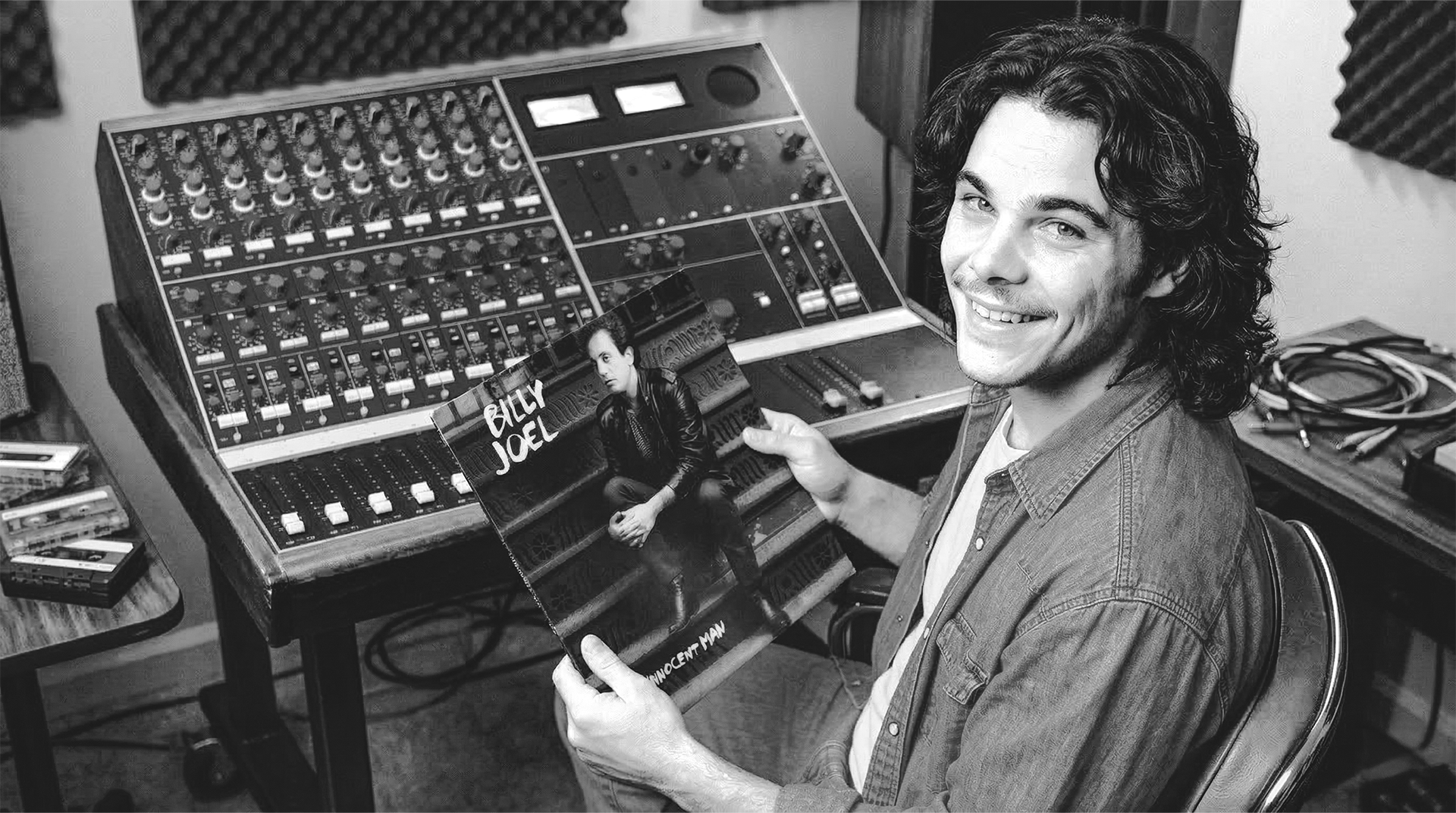
In late 1983, Phil asked Brian to step in and oversee the production of Billy Joel’s album, An Innocent Man. This was a big deal because Joel was one of Phil’s pet projects, and earning Phil’s trust to represent him in the studio was a valuable opportunity for Brian. Since Brian was already reducing his school hours, he would rush to the studio right after class and get to work.
Phil was a trial-by-fire kind of mentor, and once you earned his trust, there was no end to the doors he would open for you. – BGW.
In his role, Brian was primarily responsible for conveying Phil’s ideas to the engineering team and providing input on technical details such as compression techniques and reverb use. It was essential to make sure everything met Phil’s high standards. During post-production, Brian also assisted engineers Jim Boyer and Bradshaw Leigh at the sound desk.
An Innocent Man featured three Billboard Top 10 hit singles: Tell Her About It (No. 1), Uptown Girl (No. 3) and An Innocent Man (No. 10). Four other singles were released from the album: The Longest Time (No. 14), Leave a Tender Moment Alone (No. 27), Keeping the Faith (No. 18) and This Night (US B-side of Leave a Tender Moment Alone).
After wrapping up his work on the Arthur soundtrack, Burt started dragging Brian into more of his projects. One of the standout collaborations was the catchy jingle for Pan American Airlines, “You Can’t Beat The Experience.” Another key collaboration was their work together on Maybelline’s “Kissing Potion” & “Lip Smackers” campaigns, where Brian was first introduced to John Dooner, New York’s managing director at advertising giant McCann-Erickson. Burt became increasingly impressed with Brian’s skill, and eventually he cornered Phil, insisting that Brian deserved more opportunities to showcase his songwriting talents.
But Phil was looking for a grunt and not a creative genius. So when Brian finished his studies at Juilliard, he helped him secure a gig as a staff writer at Capitol Records. Although Brian wasn’t thrilled about leaving A&R Recording, where he had become quite a familiar face and was well respected, he knew this opportunity with Capitol was too good to pass up. It was a pivotal moment for his career that he simply couldn’t ignore…